Blood Strike Battle Pass Explained: Tiers, Rewards & Season Timing
By John Ganang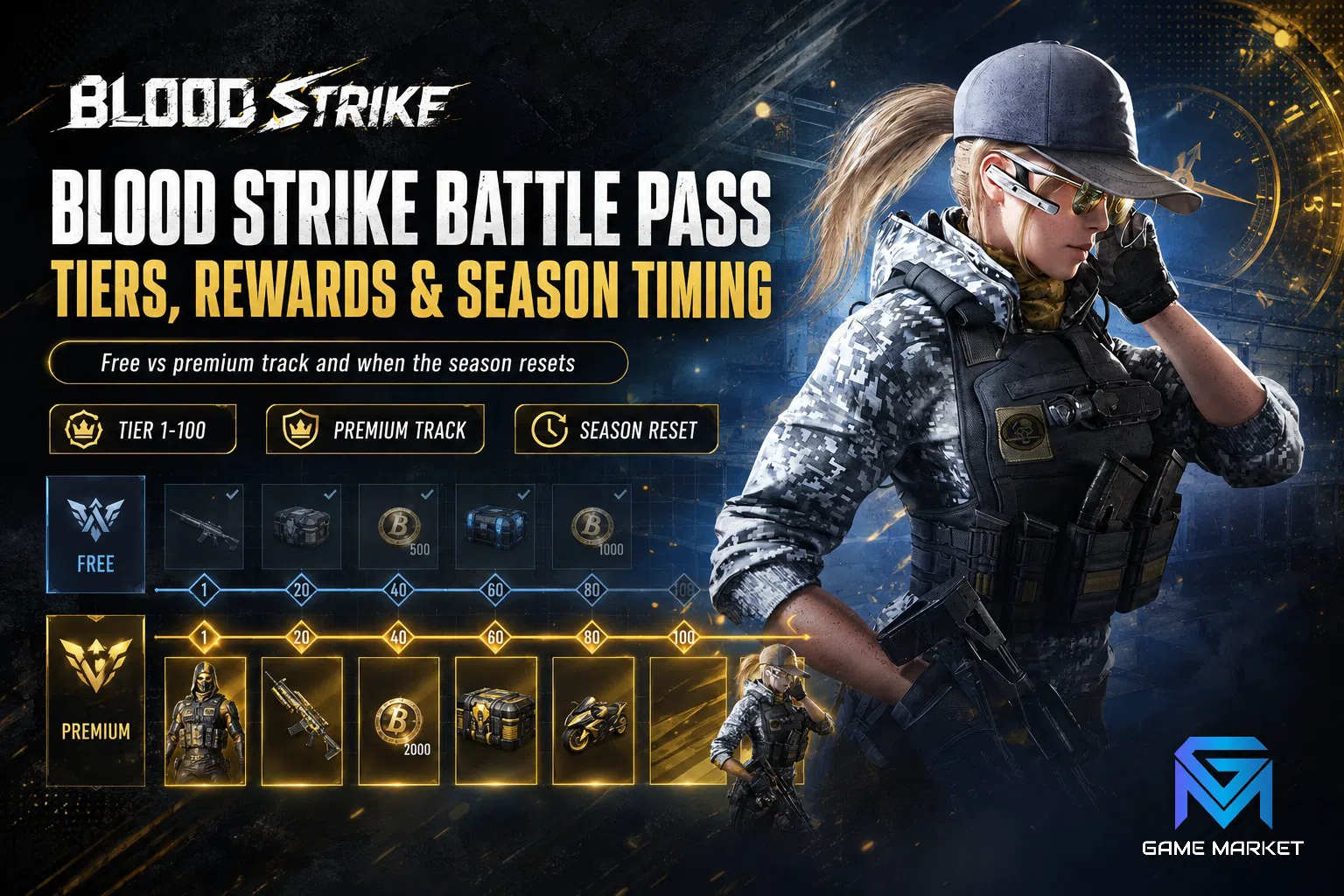
A Blood Strike battle pass is a season-long reward track that hands out cosmetics, weapon blueprints and currency as you earn pass XP from matches and missions. A free track is open to everyone; a premium track unlocked with Strike Gold adds the higher-value rewards and unlocks retroactively.
That single sentence covers what most players want, but it hides the part that actually decides whether a season is worth your time: how quickly the track fills, which missions carry the most XP, what happens to unclaimed tiers when the season ends, and how the pass interacts with the rest of your account's cosmetic library. This guide walks through the whole system as it works in NetEase's shooter — the two tracks, the XP economy behind them, the reward categories, and the timing rules that catch people out at the end of every season.
What is the Blood Strike battle pass and how does it work?
The battle pass is a tiered progression track tied to a fixed season window. You earn pass XP by playing matches and completing daily and seasonal missions, each tier you cross unlocks a reward, and the premium track sits alongside the free one so upgrading mid-season instantly releases everything you already passed.
Structurally it is the same model that shooters have converged on, but the details matter. Each season runs on a published start and end date shown on the in-game season screen, and every tier on the track is gated by a cumulative pass XP threshold rather than by wins. That distinction is the single most useful thing to internalise: a losing match that lasted twelve minutes and completed three mission objectives will usually push you further up the track than a fast win where you died early.
The free track is available to every account with no purchase and no unlock step. It carries a thinner reward set — typically currency drops, consumables, some weapon charms and a small number of lower-rarity cosmetics spread across the full tier range. The premium track runs in parallel on the same tier numbers, and unlocking it converts every tier you have already reached into claimable rewards at once. Nothing is lost by unlocking late in a season, which is why experienced players often wait to see how far they realistically got before deciding.
Progression is account-wide rather than per-mode, so time spent in battle royale and time spent in the smaller squad modes both feed the same track. If you are still learning where your account sits in the wider progression picture, the Blood Strike beginner's guide to ranks, Strikers and Strike Gold covers the surrounding systems the pass plugs into.
What is the difference between the free and premium tracks?
The free track gives every player a baseline of currency, consumables and low-rarity cosmetics across the season. The premium track occupies the same tier numbers but attaches higher-rarity rewards to most of them — signature weapon skins, character outfits, and a Strike Gold return that offsets part of the unlock cost.
Three differences do the real work. First, reward density: on the free track many tiers pass without a meaningful drop, while the premium track attaches something to nearly every tier, which changes how a session feels. Second, rarity ceiling: the headline cosmetic of a season — usually a themed weapon skin or a full character outfit that anchors the season's marketing — sits on the premium track, generally near the top of the range. Third, currency recycling: premium tracks in this genre habitually return a portion of their own cost in soft or premium currency spread across the tiers, so a player who finishes the track recovers part of the outlay in a form usable next season.
There is also a structural point worth being honest about. Battle pass cosmetics are season-scoped by design. NetEase's season screen states each season's window, and once a season closes its exclusive track rewards stop being obtainable through the pass. That does not mean an individual cosmetic can never reappear — publishers do rerun items through later shop rotations or anniversary events, and Blood Strike has done so with collaboration content before — but a return is never guaranteed and should not be assumed when you are deciding whether to finish a track. The Blood Strike rare skins and collab guide goes deeper into how rarity and availability interact across the game's cosmetic sources.
How do you earn pass XP efficiently?
Pass XP comes from three stacked sources: a base amount for completing a match, per-match performance contributions, and mission completions. Missions dominate. A single seasonal mission frequently outweighs several matches of base XP, so playing in a way that closes missions is far more efficient than simply queueing repeatedly.
The practical hierarchy looks like this:
- Seasonal missions — the largest single awards on the track. They are usually cumulative (deal X damage, place top N a certain number of times, use a specific weapon class) and they persist for the whole season, so they complete passively while you chase other goals.
- Daily missions — smaller individually but they reset every day, which makes them the highest XP-per-minute source available to a player who logs in consistently. Missing days is the most common reason a track stalls.
- Weekly or rotating missions — mid-sized awards that often require a specific mode or Striker, and are the main reason to occasionally play outside your preferred queue.
- Match completion and performance — the steady baseline. Survival time and objective participation feed this more than raw eliminations do, which rewards patient rotations over early aggression.
Two habits separate players who finish a track from players who stall around three-quarters of the way up. The first is reading the mission list before queueing rather than after, so that a single session closes two or three objectives instead of one. The second is not abandoning matches early: leaving forfeits the completion component and, in cumulative missions, the damage and survival contributions that would have counted anyway. If you want more context on how the game's other grind loops behave, the guide to how Wildcards work in battle royale explains a system that interacts directly with how long you tend to stay alive.
What kinds of rewards sit on a Blood Strike battle pass?
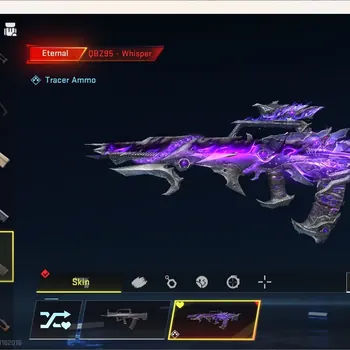
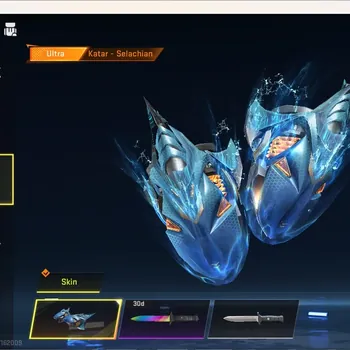
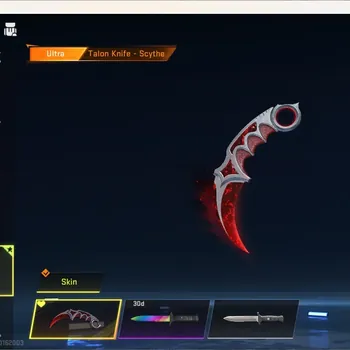
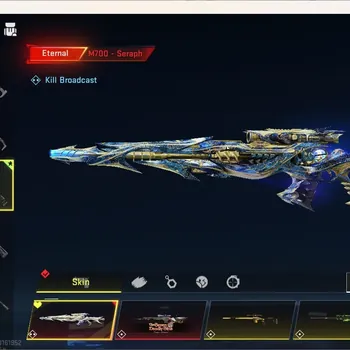
Reward categories are consistent from season to season even as the specific items change: weapon skins and blueprints, character outfits, currency including Strike Gold, weapon charms and emblems, consumable or utility items, and the season's headline cosmetic anchored near the top of the premium track.
Understanding the categories is more durable than memorising any one season's list, because the categories tell you what a season is actually offering before you commit time to it:
- Weapon skins and blueprints — the most numerous category. Blueprints matter beyond looks in shooters that attach preset attachments to them; treat any blueprint reward as worth checking against your current loadout rather than as pure cosmetics.
- Character outfits — tied to specific Strikers. An outfit for a Striker you never play is functionally dead weight, which is a legitimate reason to skip a season.
- Currency — the recycled Strike Gold and soft-currency drops spread through the track. This is the component that makes finishing a track meaningfully cheaper than starting one.
- Charms, emblems and sprays — filler by volume, but they are what makes the free track feel like it is doing something between the larger drops.
- The season headline — one or two flagship items, usually a themed weapon skin with custom effects or a full outfit set, placed high enough on the track that reaching it requires genuine engagement.
Because several tiers pay out in Strike Gold, it helps to know exactly what that currency does elsewhere in the game before you plan around it. The dedicated breakdown of what Strike Gold buys and how it works covers the full spend surface, and the Strike Gold top up guide covers where the currency comes from in the first place.
How does season timing affect what you can still claim?
Every season has a hard end date shown on the in-game season screen. When it closes, the track resets to tier one for the new season and unclaimed rewards on tiers you already reached are generally forfeited. Claiming is a manual step in most cases, and that is where players lose things.
The failure mode is almost always the same: a player crosses tiers throughout the season, assumes the rewards land automatically, and only opens the claim screen after the rollover. Rewards you unlocked but never collected do not carry into the next season, and they do not sit in a pending inbox indefinitely. The safe habit is to open the pass screen and claim everything at the end of any session where you crossed a tier, rather than batching it for later. Timing also changes the maths on unlocking the premium track. Unlocking on day one gives you the whole season to earn back the currency component and reach the headline reward. Unlocking in the final week means retroactively receiving everything you already passed — which is often a substantial haul — but with little runway left to climb further. Neither is wrong; they are different bets, and the deciding variable is honestly how many days you expect to actually play before the window closes.
One more scheduling detail worth knowing: seasons in live-service shooters frequently extend or shift by a few days around major patches, and NetEase communicates changes through the in-game notice board and the game's official patch notes. Treat the date on the season screen as authoritative and re-check it in the final week rather than relying on a date you memorised at season start.
Is finishing the battle pass worth the time investment?
It depends on one number: how many days of the season you will realistically play. The track is designed so that consistent daily mission completion finishes it comfortably, while sporadic weekend-only play typically stalls in the upper-middle range, short of the headline reward.
A useful way to decide is to check your position at the season's midpoint. If you are at or past the halfway tier with half the calendar left, your current habits will finish the track. If you are well short of halfway, either the mission routine needs to change or the honest answer is that this season's rewards are not going to arrive, and the effort is better spent elsewhere. There is no partial-credit mechanism that rescues a track in the last few days. The second consideration is what the rewards actually do for the account you are building. Cosmetic depth is a real component of how a Blood Strike account is perceived — skin libraries, rare and season-exclusive items and completed collections all contribute to how a mature account reads next to a fresh one. The breakdown of Blood Strike account tiers from starter to high-end lays out which cosmetic and progression markers separate the tiers, and season-track exclusives sit squarely among them.
What mistakes cost players the most pass progress?
The recurring errors are structural rather than skill-based: skipping daily missions, queueing without reading the mission list, abandoning matches early, forgetting to claim unlocked tiers, and misreading the season end date. Each is trivially avoidable and each independently costs a meaningful fraction of a season.
- Treating dailies as optional. Dailies are the densest XP available. A week of missed dailies is usually the difference between finishing a track and stalling near the top.
- Not checking missions before queueing. Mode-specific and weapon-specific objectives are cheap to satisfy if you know about them before you pick a loadout, and expensive to chase afterwards.
- Leaving matches early. Forfeits the completion component and truncates the cumulative contributions that would have counted regardless of placement.
- Leaving tiers unclaimed. The most painful mistake because the progress was already earned. Claim at the end of every session.
- Assuming the end date from memory. Season windows shift around patches. Re-check the season screen in the final week.
Frequently asked questions
Does unlocking the premium track late in a season lose the earlier rewards?
No. The premium track unlocks retroactively — every tier you have already reached becomes claimable immediately when you upgrade. The only thing you lose by waiting is the time you could have spent climbing further.
Does battle pass progress carry over between seasons?
No. The track resets to tier one when a new season begins, and unclaimed rewards from the previous season are generally forfeited. Rewards you have already claimed stay in your inventory permanently.
Do all game modes count toward pass XP?
Progression is account-wide, so time across the game's modes feeds the same track. Individual missions may still specify a mode or weapon class, which is the main reason to occasionally play outside your usual queue.
Can a season-exclusive skin come back later?
It is possible but never guaranteed. Publishers do rerun cosmetics through later shop rotations and anniversary events, so treat exclusivity as period-limited rather than permanent — but do not plan around a return that has not been announced.
Where to Find Blood Strike Accounts and Top Up
On GameMarket.gg you can browse Blood Strike accounts on GameMarket, the Blood Strike market hub.
If a season's track has left you wanting more Strike Gold to spend on the premium track or the in-game store, browse the available Blood Strike top up options and pick the amount that matches what you actually plan to unlock this season.
GameMarket.gg is a trusted digital marketplace for everything gaming-related. We serve the gaming community by providing secure access that enhances every gaming journey.
The Battle Pass clock and the ranked ladder clock don't always line up — see Blood Strike Ranked Season Length: How Long a Season Actually Lasts for how the ranked season calendar affects timing purchases and boosts.