Blood Strike Rare Skins & Collab Guide: Rarity, Value & Accounts
By John Ganang 7 August 2026, 00:00 WIB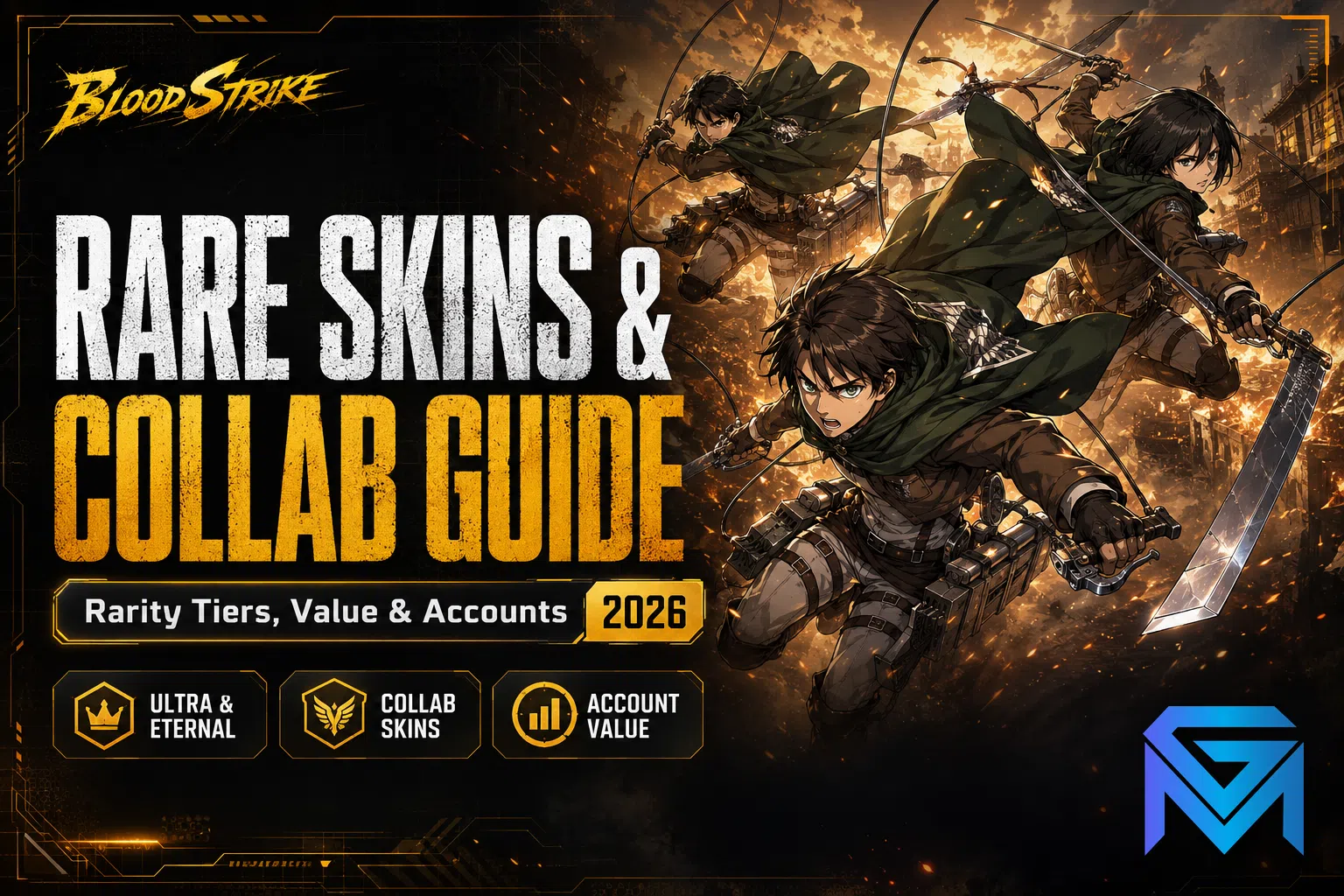
Blood Strike Rare Skins & Collab Guide: Rarity, Value & Accounts
In Blood Strike, a skin's rarity tier and whether it came from an expired crossover decide almost everything it is worth, because these cosmetics give no stat advantage and trade purely on how hard they are to get again. NetEase's free-to-play battle royale runs a constant stream of premium weapon skins, Ultra Strikers, and anime collaborations, and most of the desirable ones leave the shop on a fixed schedule and never return to a store shelf on demand. This guide is the hub for that side of the game. It explains the rarity ladder, which collaborations have shipped rare gear, whether any of it comes back, how the skins are obtained, and why an account that already owns them commands a premium. For the wider picture of ranks, servers, and Strike Gold, our complete Blood Strike guide is the map; this page zooms in on the cosmetics that move an account's price.
💎 What counts as a "rare skin" in Blood Strike?
Rarity in Blood Strike runs on a clear ladder, and value climbs with it: Standard and Rare sit at the bottom, Epic and Legendary in the middle, and Ultra and Eternal at the top, with evolving EVO weapons forming the ceiling. A "rare skin" in trading terms usually means anything Ultra tier or above.
The distinction matters because the tiers are not just color labels. An Epic skin is a reskinned model with matching effects, while a Legendary adds themed visuals; both are common enough that plenty of active accounts own several. An Ultra skin is the first tier that reads as genuinely scarce, covering Ultra guns, Ultra melee blades, and Ultra Strikers with custom animations and kill effects. Eternal sits above that as a premium, seasonally exclusive grade, and EVO weapons are the true ceiling because they evolve through multiple stages of animation as you invest in them. Because none of these change your damage, a single Ultra or Eternal item can outweigh a shelf of Epics, and that is exactly why buyers learn to read the tier tag before anything else.
🎭 Which collaborations have brought rare skins to Blood Strike?
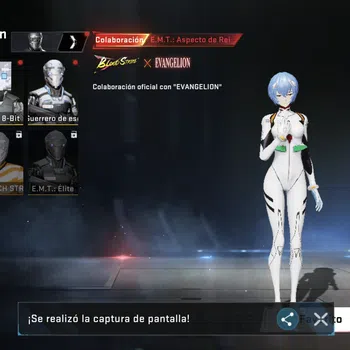
Blood Strike leans heavily on anime crossovers, and each one ships a themed batch of weapons, Strikers, and melee skins that only appear while the event runs. The 2025–2026 run alone includes Attack on Titan, Evangelion, BLEACH, Tokyo Revengers, One-Punch Man, and The Seven Deadly Sins.
The pattern is consistent: a crossover opens for roughly a month, its skins live in a limited shop or event pass, and then the window closes. Attack on Titan first landed in April 2025 and returned as a Part 2 series in August 2026; Evangelion ran November 2025; BLEACH: Thousand-Year Blood War ran February 2026; Tokyo Revengers ran mid-May to mid-June 2026 with Mikey, Draken, and Izana skins; and the Blood Strike x One-Punch Man collaboration ran through July 2026. Because each drop is time-boxed, the skins become the defining "you had to be there" items, which is why our per-event coverage — from the Attack on Titan Part 2 crossover to the BLEACH collaboration skins — doubles as a record of what an account might be holding.
🔁 Do Blood Strike collab skins ever come back?
Collab skins are available only for a limited period, and some do return through a rerun or a follow-up series — but the schedule and exact items are never guaranteed. Treat any expired crossover skin as gone until NetEase officially says otherwise, because that assumption is what protects your money.
The Attack on Titan Part 2 event is the clearest proof that a crossover can come back, since NetEase brought the franchise around a second time rather than retiring it for good. That said, a returning collaboration does not promise the same skins, the same shop, or the same pricing, so a specific weapon you missed may or may not reappear even when the series does. This is the single most important accuracy point for buyers and sellers alike: do not price an item as "permanently unobtainable," and do not assume a favorite will definitely rerun. The safe read is that expired collab gear is scarce now, its future is uncertain, and NetEase's official Blood Strike site is the only source that confirms a return.
💰 How do you actually get rare and Ultra skins?
Rare cosmetics are funded almost entirely by Strike Gold, the game's premium currency, and they arrive through three main routes: the Strike Pass, Ultra crates, and limited event rewards. Free play earns a trickle of skins, but the top tiers are built around spending or grinding events.
The Strike Pass is the most efficient starting point, running Free, Elite, and Premium tracks: the Elite pass bundles Ultra and Epic skins with a Gold rebate on completion, while the Premium bundle instantly unlocks the exclusive Ultra rewards the Elite track does not carry. Beyond the pass, Ultra Skin Lucky Chests draw from a limited pool of Ultra items that cannot be bought directly, typically with a pity counter that guarantees a top-tier pull after a set number of draws. Events fill the last gap, periodically handing out free Ultra weapons for completing challenges. All of it depends on having Gold ready, so funding the account through a verified channel matters; our Strike Gold top up guide covers doing that cheaply and safely.
📈 What makes a rare-skin account worth more?
An account's price tracks the scarcity of what it holds far more than its rank or win count. Retired collab gear, EVO and Eternal weapons, and Ultra Strikers are the value anchors, because they are the items a new buyer literally cannot obtain any other way.
This ties straight back to the rarity ladder: the higher the tier and the more "expired" its source, the harder it is to reproduce, and difficulty of acquisition is the whole basis of cosmetic value in a game where nothing gives a stat edge. An account loaded with a completed collab set from a crossover that has already closed is priced on that permanence, whereas an account of common Epics — however many — stays near baseline. Completeness and login type refine the number from there, but rarity sets the anchor, so the first question to ask about any listing is not how many wins it has but which top-tier and retired items it actually owns.
🛡️ How do you buy a Blood Strike account with rare skins safely?
Buy through a system that holds your payment until you verify the account, and confirm the skins are real before you commit. On GameMarket.gg every order is covered by Buyer Protection, so funds release to the seller only after you confirm the account was delivered exactly as described.
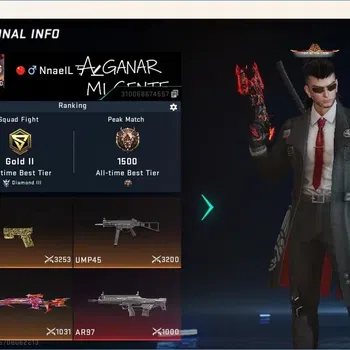
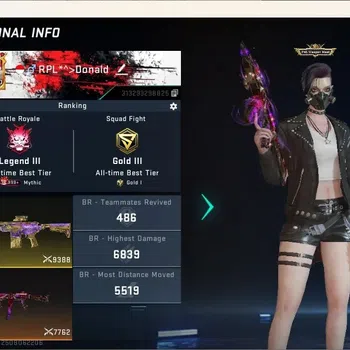
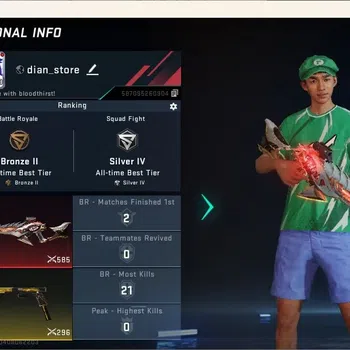
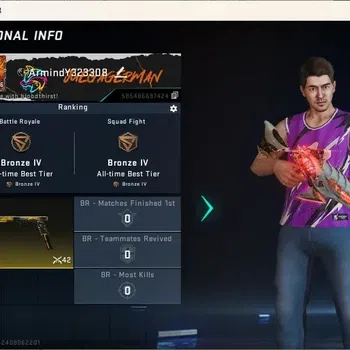
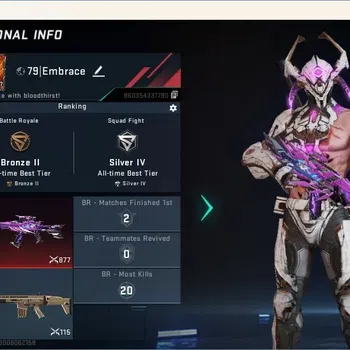
For a rare-skin purchase specifically, the screenshots are the whole deal: match every claimed Ultra, Eternal, EVO, and collab item against the in-game collection shown in the listing, because a title that says "AoT full set" means nothing without the inventory screen to back it. Confirm the server and platform match how you play, since region is bound to the account and cross-play does not undo a mismatch, and check the login type so you can fully secure the account after handover. Keep every message and payment inside the platform, because anything moved to an outside app falls outside Buyer Protection. Accounts built around discontinued crossover gear live in one place: the Blood Strike collab-skin accounts category, grouped around exactly this kind of scarcity.
Whether you are hunting a retired collab set, a specific Ultra weapon, or a full Eternal collection, it all runs through one protected system. Browse verified Blood Strike accounts to find the exact skins, server, and tier you want, book hourly services when you need dailies and event tiers cleared while you are away, and push any rank goal through reliable Blood Strike boosting, each backed by Buyer Protection from checkout to confirmation.
GameMarket.gg is a trusted digital marketplace for everything gaming-related. We serve the gaming community by providing secure access that enhances every gaming journey.