Blood Strike Account Scams Explained: Common Tactics and Warning Signs
By John Ganang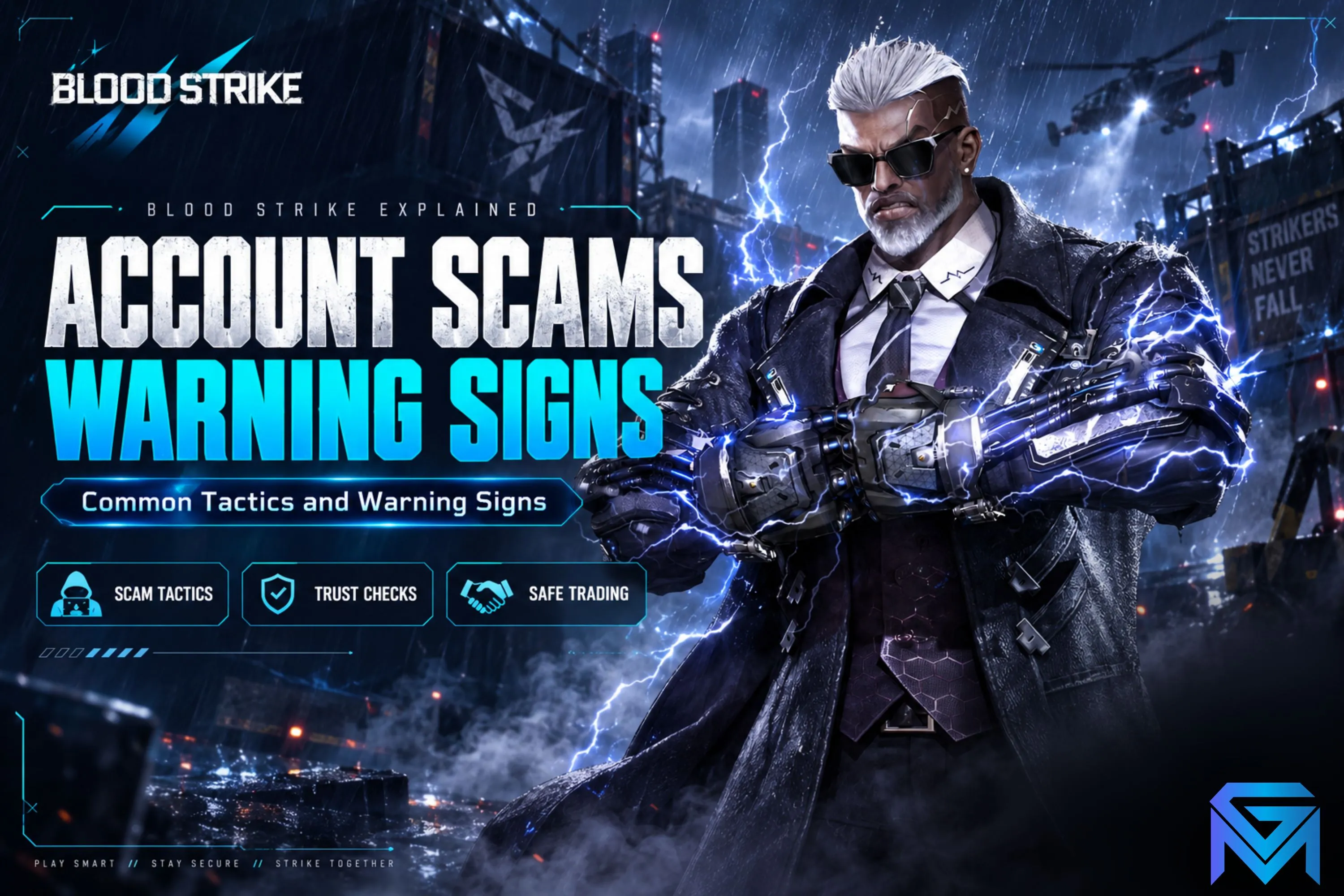
A Blood Strike account scam almost always follows one of a handful of repeatable patterns: fake inventory proof, payment routed outside a protected platform, or a seller who regains access after the sale by changing the account's bound email or phone. Recognizing these patterns before paying is what separates a clean account transfer from a lost payment. If that part matters to you, Blood Strike Cash Explained goes deeper.
Why Do Scammers Specifically Target Blood Strike Accounts?
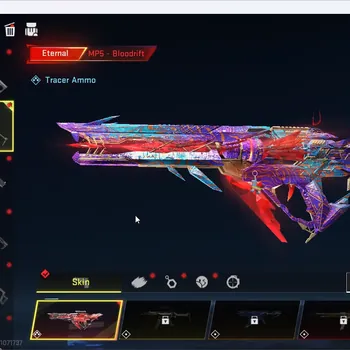
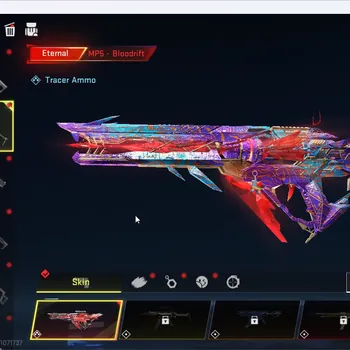
Blood Strike accounts get targeted because everything valuable in the game, from Eternal-tier guns to retired collaboration skins, is bound permanently to one NetEase account and cannot be re-farmed once an item leaves the shop. That scarcity gives high-inventory accounts real resale value, which is exactly what draws scam attempts.
Because progression, cosmetics, unlocked Strikers, and rank all live together on a single account with no partial transfer option, a buyer is trusting a seller with the entire package in one transaction rather than a smaller, reversible purchase like a single skin. That single, irreversible handoff is the structural reason account trading attracts more scam attempts than in-game currency purchases do; a full breakdown of what actually makes up that inventory is covered in Blood Strike Accounts Explained: Skins, Ranks & Server Regions.
How Do Sellers Fake Inventory Proof?
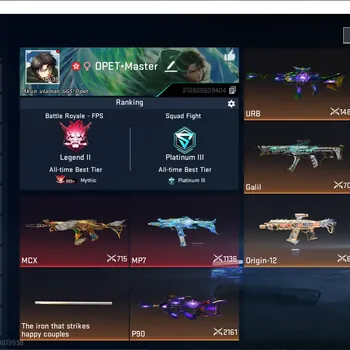
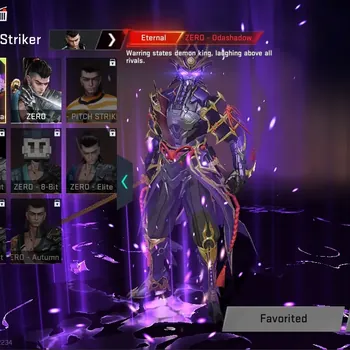
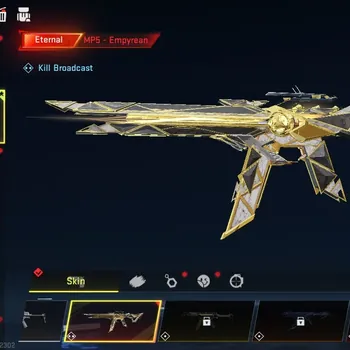
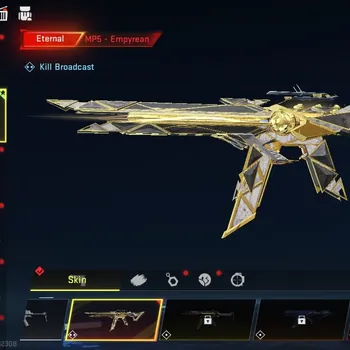
The most common method is a doctored or reused screenshot showing Eternal guns, Ultra Strikers, or collab skins that don't actually exist on the account being sold, since a static image can't be checked against the account in real time the way a live in-game display can. A buyer should always ask for a fresh screenshot or short clip that includes something time-specific, like the current in-game date, event banner, or a requested pose that couldn't have been prepared in advance.
Listings that only show a cropped inventory list with no player profile screen, no login or ID number visible, and no way to independently confirm the account is currently active are harder to verify and carry more risk than listings paired with a full profile screenshot. Genuine sellers on established marketplaces typically expect this kind of verification request and provide it without pushback; hesitation or excuses at this stage is itself a warning sign.
Why Is Being Asked to Pay Outside the Platform a Red Flag?
A request to move payment off-platform, whether through direct bank transfer, a personal e-wallet, or a messaging app, removes any buyer protection or dispute process the original marketplace offers and leaves the buyer with no recourse if the account is never delivered. This tactic is common enough in account trading generally that it's treated as one of the clearest single warning signs across most gaming marketplaces, not just Blood Strike.
The usual pitch is a small discount for skipping platform fees, but that discount is exactly the incentive a scammer needs to get payment moved somewhere unrecoverable before disappearing. A transaction that stays inside the marketplace's own checkout and messaging system keeps a paper trail and keeps any escrow-style protection active until the buyer confirms the account works as described.
Can a Seller Take an Account Back After Selling It?
Yes, a seller who still knows the account's original bound email or phone number can reset the password after a sale and reclaim the account, which is why changing every recovery method immediately after purchase matters more than any other single step. This is the most damaging scam pattern because the buyer's payment has already cleared before the reclaim happens, often days or weeks later.
Immediately after a purchase completes, a buyer should change the account password, then move to update the bound email and phone number to ones only the buyer controls, checking the in-game security or account settings menu for both fields rather than assuming the password change alone is sufficient. An account where the original owner's email or phone number can't be fully removed or replaced should be treated as a higher-risk purchase regardless of how convincing the inventory looks. For the detail behind that, see Blood Strike Lucky Draw Explained.
Does an Unusually Low Price Signal a Scam?
A price well below what comparable inventory sells for elsewhere is one of the more reliable warning signs, since a legitimate seller with genuinely rare Eternal guns or collab skins has little reason to price far under the going rate other than needing a fast, no-questions sale. It doesn't guarantee a scam by itself, but it should raise the bar for verification before paying.
The more useful check is comparing a listing's price against several similar listings in the same tier, such as other Collab Skin or High-End accounts, rather than judging any single listing in isolation, since Blood Strike account pricing swings with which specific Eternal guns and Striker skins an account holds. A listing priced dramatically lower than every comparable one in its tier is worth extra scrutiny even when the seller has a clean rating — see Blood Strike Account Tiers Explained: Starter to High-End for what separates each pricing tier.
How Much Should a Buyer Trust a Seller's Rating and History?
A seller's rating and completed order count are useful signals but not a guarantee, since a rating built on small, low-risk transactions doesn't prove the same seller will handle a high-value account transfer honestly. A newly created seller profile offering a rare, high-value account with no transaction history at all carries meaningfully more risk than an established seller with a long track record of similar sales.
Reviewing whether a seller's rating comes from transactions similar in value and type to the one being considered, rather than just checking the star average, gives a clearer picture. A seller who has completed dozens of small transactions but is now offering an unusually expensive account for the first time is a pattern worth pausing on before paying.
Why Does Server Region Matter for Avoiding a Wasted Purchase?
Blood Strike accounts are locked to the server region they were created on, commonly labeled ASIA among other regions, and an account purchased for the wrong region can be effectively unusable to the buyer even when every other detail about the listing was accurate. This isn't a scam in the traditional sense, but it produces the same outcome: a payment made for an account the buyer can't actually use as intended.
Confirming the exact server region listed matches the region the buyer plays on, before paying rather than after, avoids this specific failure mode entirely. Buyers who are unsure how to check this on their own account can work through the region-verification steps in GameMarket’s guide to checking a Blood Strike account’s server before comparing listings.
What Does a Legitimate Delivery and Handover Process Actually Look Like?
A legitimate handover happens inside the marketplace's own order and messaging system, with the seller delivering login details or a transfer code only after the order shows as paid and protected, not before. The buyer then confirms the account matches the listing before releasing the order as complete, which is what keeps any escrow-style protection active until both sides are satisfied.
Sellers who rush a buyer to confirm the order as complete before the buyer has actually logged in and checked the inventory are removing the buyer's only real safeguard, since most marketplace protection windows close once an order is marked delivered and confirmed. Taking the time to log in, check the profile screen, and compare it against the listing before confirming is the single step that separates a protected purchase from an unprotected one, and the same discipline applies whether buying or selling per GameMarket’s Blood Strike account buying and selling guide.
What Should a Buyer Verify Before Confirming Payment?
Before paying, a buyer should confirm four things line up: the server region matches what they actually play on, the inventory shown in the listing matches what's visible after logging in, the seller's rating history includes transactions of a similar size and type, and the payment stays inside the marketplace's own checkout rather than moving to a private payment method. Any one of these failing is reason enough to pause before paying.
It also helps to message the seller directly with a specific, hard-to-fake question, such as asking for a particular Striker skin to be shown in a fresh screenshot alongside the account's current level or match count, since a seller who genuinely controls the account can answer quickly while a scammer working from a stolen or fabricated screenshot usually can't. A buyer who works through this checklist before every account purchase, not just the expensive ones, catches most of the tactics covered in this guide before any money changes hands.
Where to Find Blood Strike Accounts, Top Up and Related Listings
Buyers comparing verified Blood Strike account listings across tiers can browse GameMarket's Blood Strike accounts board, which lists Starter, Mid-Tier, High-End, Rare Skin, and Collab Skin accounts with seller ratings and transaction history attached to each listing. Anyone weighing a currency purchase instead of a full account can check the Blood Strike top-up board for Strike Gold and Strike Pass listings. Players who want to compare every listing type for the game in one place can start from the Blood Strike market hub.
FAQ
Is login-sharing itself always a scam? No. Many legitimate sellers deliver by logging into the account directly and handing over new credentials, but the buyer must change the password, email, and phone number immediately after to prevent reclaim.
Does NetEase help a buyer recover an account bought from a third party? Not typically. Official support processes are built around the account's original owner, so a buyer's strongest protection is verifying the transfer and locking down recovery details themselves before relying on any outside recovery request.
Are Collab Skin accounts scammed more often than Starter accounts? They're targeted more often simply because they're worth more, which makes the payoff bigger for a scammer and makes the verification steps in this guide matter more, not less, on higher-tier listings.
Does a high seller rating remove the need to verify inventory? No. A rating reflects past transactions, not the specific account being sold right now, so fresh, time-specific proof is still worth requesting even from an established seller.
Buyers ready to compare verified listings can browse the Blood Strike accounts board on GameMarket and check each seller's rating and history before reaching out about a specific listing.
GameMarket.gg is a trusted digital marketplace for everything gaming-related. We serve the gaming community by providing secure access that enhances every gaming journey.