R1999 Truth a Posteriori Guide: Patience, Depths and Artefacts
By Official GameMarket News 21 August 2026, 10:00 WIB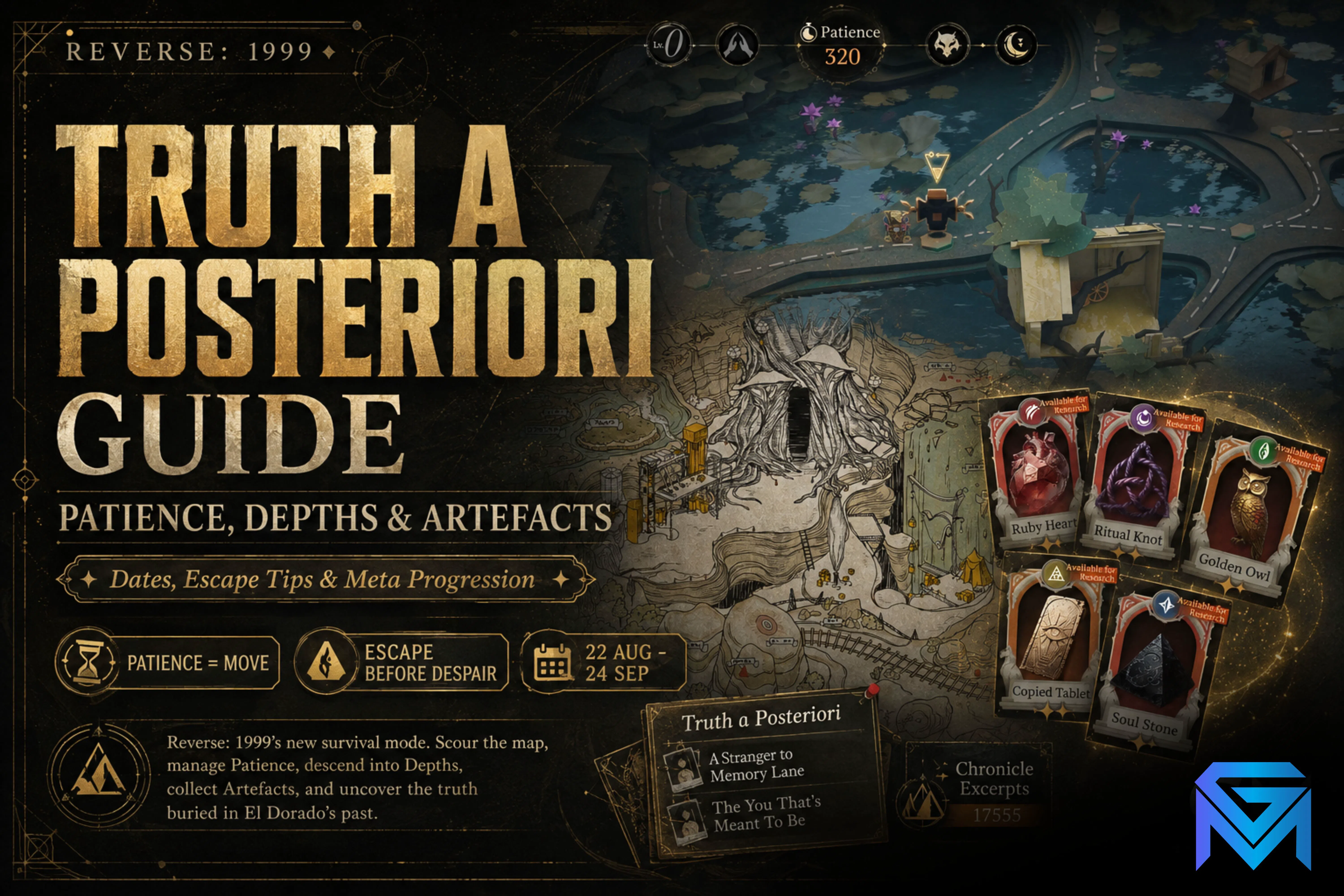
Truth a Posteriori is Reverse: 1999's new resource management survival mode, running from 22 August at 05:00 to 24 September at 04:59 (UTC-5), and it turns on a single resource that behaves unlike anything else in the game. Patience is what you spend to move — and running out doesn't end your run. It starts stacking [Despair]. Accumulate too much and the run fails outright, taking your haul with it. That makes the mode's real skill not clearing nodes but knowing when to walk away voluntarily. You play an excavation team member exploring the legendary city of El Dorado, and here's how every phase works.
Eligibility and dates
- Requirement: complete main story 1ST-16 [Heaven Apostles]
- Duration: 22 August, 05:00 – 24 September, 04:59 (UTC-5)
Note that end date carefully. It runs to 24 September, which is later than the anniversary's Phase 2 banner window closes. Don't assume this mode ends when the banners do — check the in-game timer rather than working from the version's other deadlines.
Preparation Phase — the first real decision
Before scouting, you select your starting capital, and the options carry different costs:
- On High Alert — the most expensive
- Fully Prepared
- Lightly Prepared
- Unprepared — costs nothing
That capital buys Counter Cards, Action Cards and other items at Logistics Supplies, and the mode's own briefing notes these items may prove decisive during the run.
The trade is straightforward but not obvious: spending more upfront means better tools in the field, but less profit if the run goes badly. Early runs, when you're still learning the node types, are the wrong time to invest heavily. Go light until you know what you're walking into.
Choose your expedition time — this gates your Artefacts
After capital, you confirm a departure time, and this is the choice most likely to be made carelessly.
Morning — Morning-specific events. Obtains Star and Mineral type Artefacts. Afternoon — Afternoon-specific events. Obtains Plant and Beast type Artefacts. Night — Night-specific events. Obtains Spirit and Intellect type Artefacts.
Artefact type is determined by when you depart, not by luck. If you're hunting a specific Artefact to raise its rating, the time slot is the gate — pick deliberately rather than defaulting.
Each period also carries its own events and enemies, so the choice changes the run's difficulty profile, not just its loot table.
Scouting Phase — Patience is the clock
Tap nodes on the map to consume Patience and move. Every node may present an event — battles, checks, and others — and completing them earns supplies.
Handle them wrong and you pick up negative statuses that make the rest of the run harder.
That's the compounding risk. A botched check early doesn't just cost you that node; it degrades every node afterwards. In a mode where the run can fail outright, mistakes early are worth more than mistakes late.
Escape Phase — and why leaving early is a skill
Escape Points appear throughout scouting, and this is where the mode's central decision lives.
When your Patience runs low, quitting may be the smart move. At an Escape Point you sort through what you're carrying and choose the high-value, high-rarity items to bring back.
When Patience runs out entirely, pushing forward starts stacking [Despair]. Too much Despair fails the run outright. You can still leave with a small number of items at that stage, but the mode's own guidance is blunt: it's best not to get there.
So the loop rewards discipline over greed. A run ended voluntarily with a full selection of high-rarity items beats a run pushed one node too far and abandoned in Despair with a handful of scraps.
Practical rule: decide your exit threshold before you start, not while staring at one more unexplored node.
Depths Level — the meta-progression that matters most
Every scouting run earns Depths EXP, raising your Depths Level. Rising Depths Level:
- Raises the level cap on buildings like the Crystal Pavilion and the Scavenger Tent
- Levelling the Scavenger Tent raises how many items you can carry out when you escape
- Unlocks lower prices at Logistics Supplies
- Unlocks a wider variety of goods
- Unlocks higher-difficulty challenges
This is the framing that should shape your first week. Extraction limits, shop prices and building caps all improve with Depths Level — which means your early runs are worth more as EXP than as loot.
A conservative run that ends safely and banks Depths EXP is building the infrastructure that makes later runs profitable. Chasing a big haul at Depths Level 2, with a low Scavenger Tent cap, wastes items you can't carry out anyway.
Artefacts and the Crystal Pavilion
Artefacts you bring back are stored in the Crystal Pavilion, where they provide buffs for both battles and scouting.
Two mechanics worth knowing:
Storing duplicates raises an Artefact's rating, strengthening its bonus. So there's no such thing as a wasted duplicate — pulling the same Artefact again is direct progress rather than disappointment.
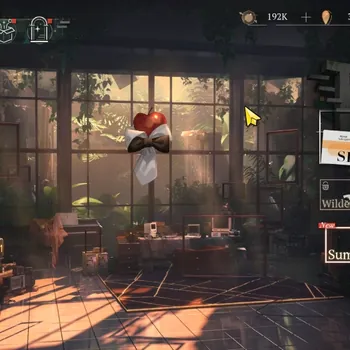
Some Artefacts can be worshiped at the start of a run to unlock additional buffs. That's a pre-run decision layered on top of your capital and time-slot choices.
Rewards
Accumulate [Strata Calibrator] and exchange it in [Chronicle Excerpts] for:
- The "Timeless Message" Decor Style
- Crystal Casket
- Sonorous Knell
- Growth Materials
- And more
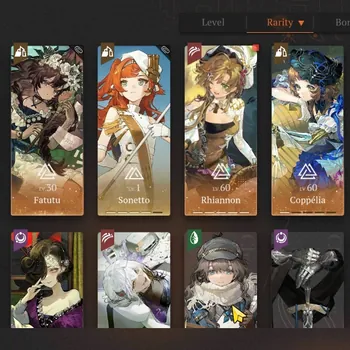
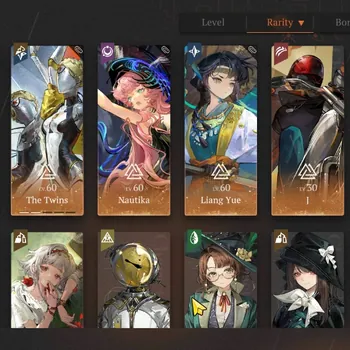
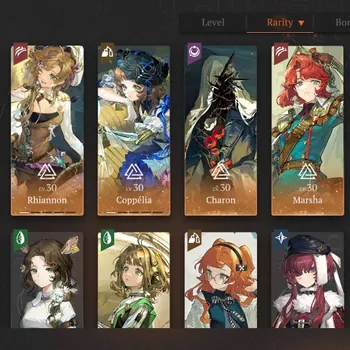
Growth Materials are the practical draw for most Timekeepers — they feed directly into levelling your existing roster rather than sitting in a decorations menu.
A first-week plan
- Clear 1ST-16 [Heaven Apostles] if you haven't. It's the entry requirement.
- Run Unprepared or Lightly Prepared at first. Learn the node types before spending capital on them.
- Pick your expedition time deliberately based on which Artefact types you want.
- Prioritise Depths EXP over extraction value in early runs. The Scavenger Tent cap decides how much you can actually take home.
- Set an exit threshold before you start and hold to it. Despair failing a run costs everything.
- Bank duplicate Artefacts rather than treating them as bad luck — they raise ratings.
- Diarise 24 September, not the banner end date.
For the rest of Version 3.7 — free rewards, the selector banner and both anniversary headliners — our 3.7 anniversary guide covers the full patch, and our Ms. Stranger guide covers the Phase 2 headliner and whether she's worth pulling.
Build the roster the mode rewards
Survival modes reward accounts with the roster depth to handle whatever node events throw at them — and that depth, along with the Psychubes and Insight behind it, is the slow half of Reverse: 1999. Browse verified Reverse: 1999 accounts if you want a roster with strong 6-star coverage, accelerate Insight and material farming with Reverse: 1999 hourly services, or clear the toughest endgame stages through Reverse: 1999 boosting.
GameMarket.gg is a trusted digital marketplace for everything gaming-related. We serve the gaming community by providing secure access that enhances every gaming journey.