How Do Epic Seven Characters Work? Classes, Elements and Hero Types
By Sir Ayup
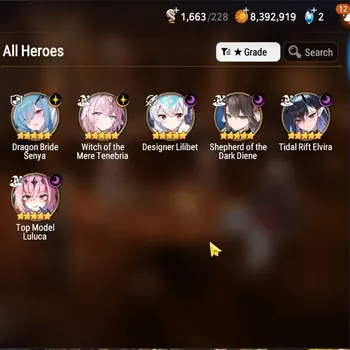
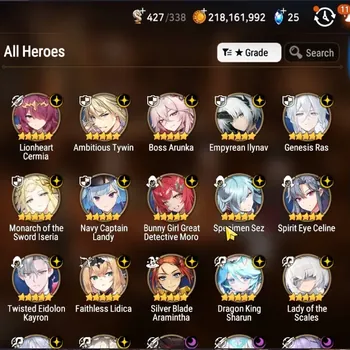
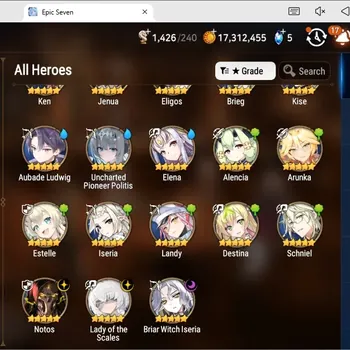
Epic Seven characters, called heroes in the game, are sorted by more than star rating. Every hero carries a class that hints at their job, an element that decides who they hit hard and who they struggle against, and a place in one of several summon pools that controls how easily you can get them.
This guide from gamemarket.gg breaks down the six classes, the five elements, the different hero types from Moonlight to Specialty Change, and how all of that shapes the team you build.
The Six Hero Classes
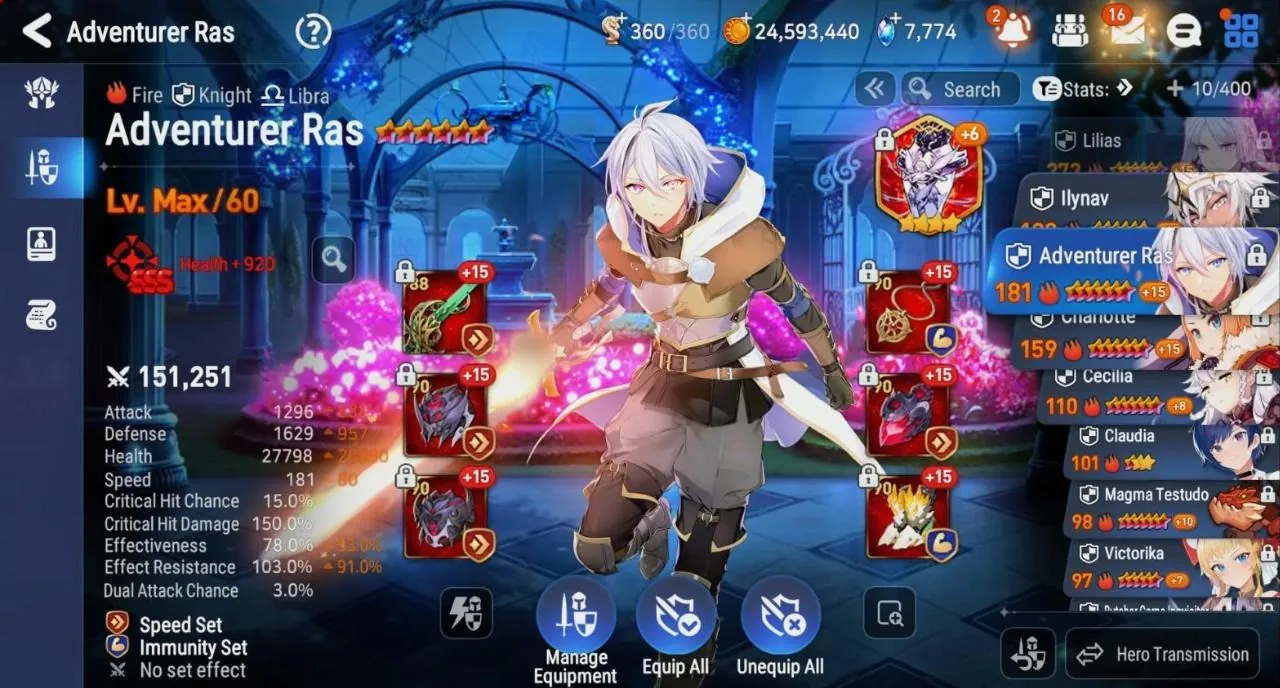
Each hero belongs to one of six classes. The class sets their base stat leanings and the gear they can wear, although individual kits often bend the rules.
- Warrior: frontline damage dealers with high Attack, often built around breaking enemy defenses. Sigret, Luna, Ken, Ravi and Cermia are well-known examples.
- Knight: tanky protectors who shield allies, taunt or buff the team. Ras, Krau, Arowell, Armin and Lilias fall into this class.
- Thief: fast, crit-focused attackers who usually pick off single targets. Vildred, Kise, Celine and Mei Lin are Thieves.
- Ranger: ranged attackers that mix damage with utility such as debuffs, extra attacks or turn manipulation. Iseria, Bellona, Landy and Pavel are common picks.
- Mage: damage dealers with strong area attacks and debuffs, though some are built as tanky or support units. Ludwig, Basar, Aramintha, Vivian and Luluca are Mages.
- Soul Weaver: healers and supporters, with heals that usually scale from Health. Angelica, Tamarinne, Diene and Ruele of Light are Soul Weavers.
In practice, players talk more about roles than classes: main DPS, bruiser, tank, healer, debuffer and speed or Combat Readiness pusher. A Ranger can work as a debuffer and a Mage can be a bruiser, so the class is a starting point rather than a rule.
Elements and the Advantage Cycle
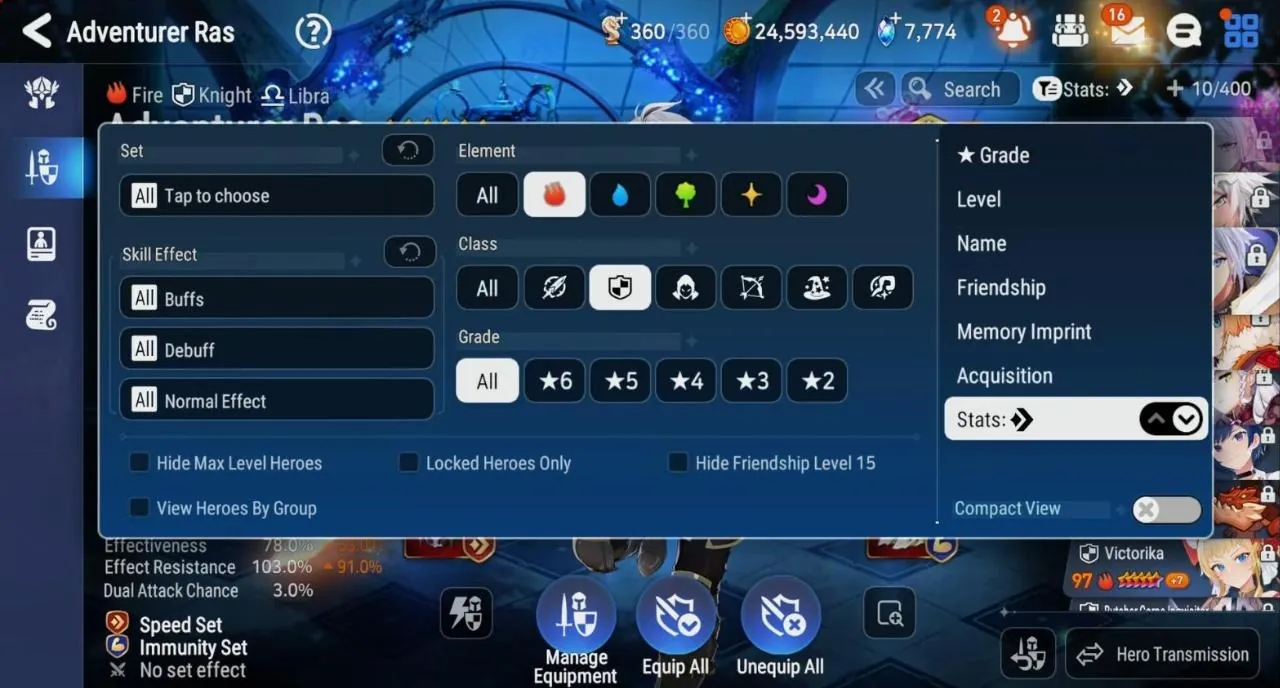
Every hero has one of five elements, and matching them correctly matters as much as raw stats.
- Fire beats Earth, Earth beats Ice, and Ice beats Fire.
- Light and Dark beat each other, and both are neutral against the other three elements.
Attacking with an advantage brings higher critical chance and more Crushing Hits, which deal extra damage. Attacking into a disadvantage raises the chance of Miss hits, which deal less damage and make debuffs fail. Fighting against the cycle is not hopeless, but most stages and Hunts are easier with at least one hero who has the edge.
Rarity, Moonlight and Specialty Change Heroes
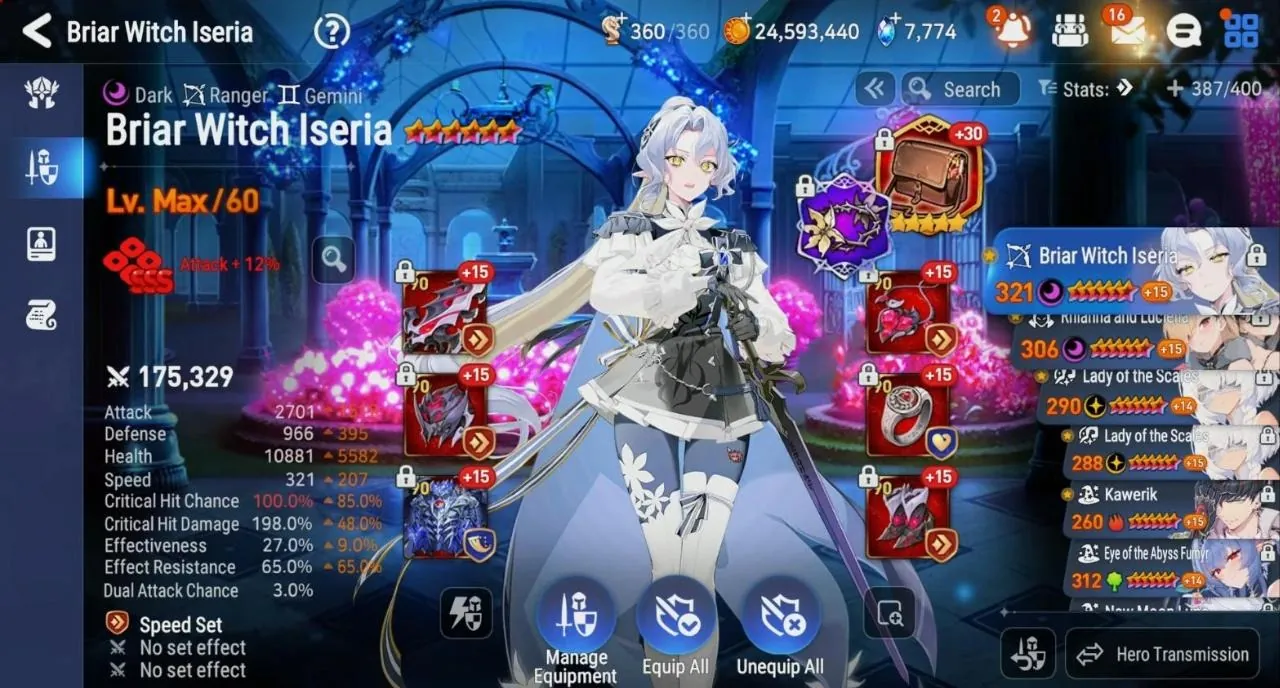
Heroes come in 3, 4 and 5 star rarity, and every hero can be promoted up to 6 stars and level 60, so a 3-star is not stuck being weak. Beyond rarity, a few hero types work differently.
- Moonlight heroes are Light and Dark versions of existing characters, usually with a title in their name, such as Arbiter Vildred, Specter Tenebria or Ruele of Light. They come mainly from the Moonlight and Mystic summons, which makes them rarer than regular heroes.
- Specialty Change heroes start as 3-star heroes and transform into an upgraded form after reaching level 50 and completing a quest chain. Lorina becomes Commander Lorina, Hazel becomes Mascot Hazel, Carrot becomes Researcher Carrot and Montmorancy becomes Angelic Montmorancy, and the new forms play close to 4 or 5-star heroes.
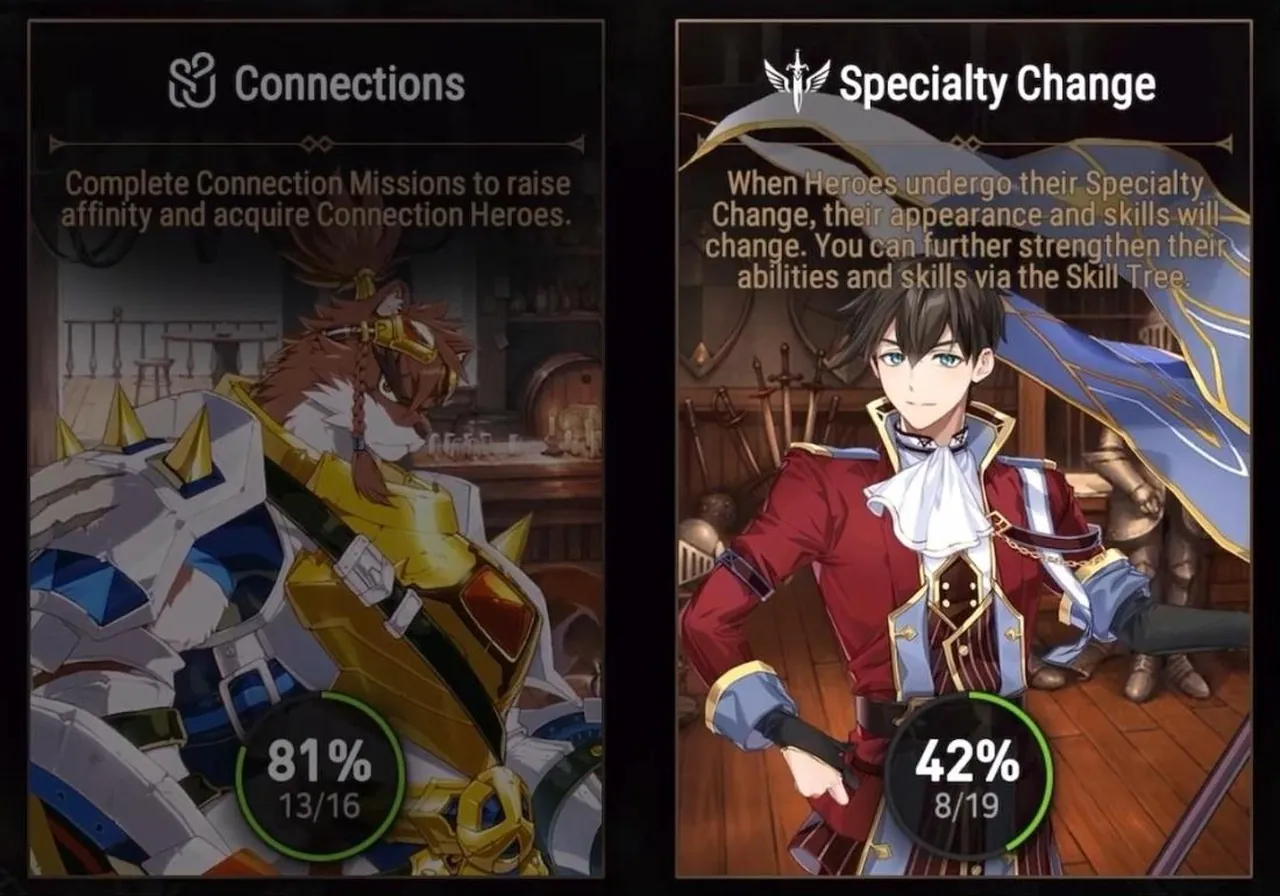
- Limited and collaboration heroes appear only on event banners. Past collaborations with Guilty Gear and Frieren are examples, and these heroes may not return for a long time.
Where Epic Seven Characters Come From
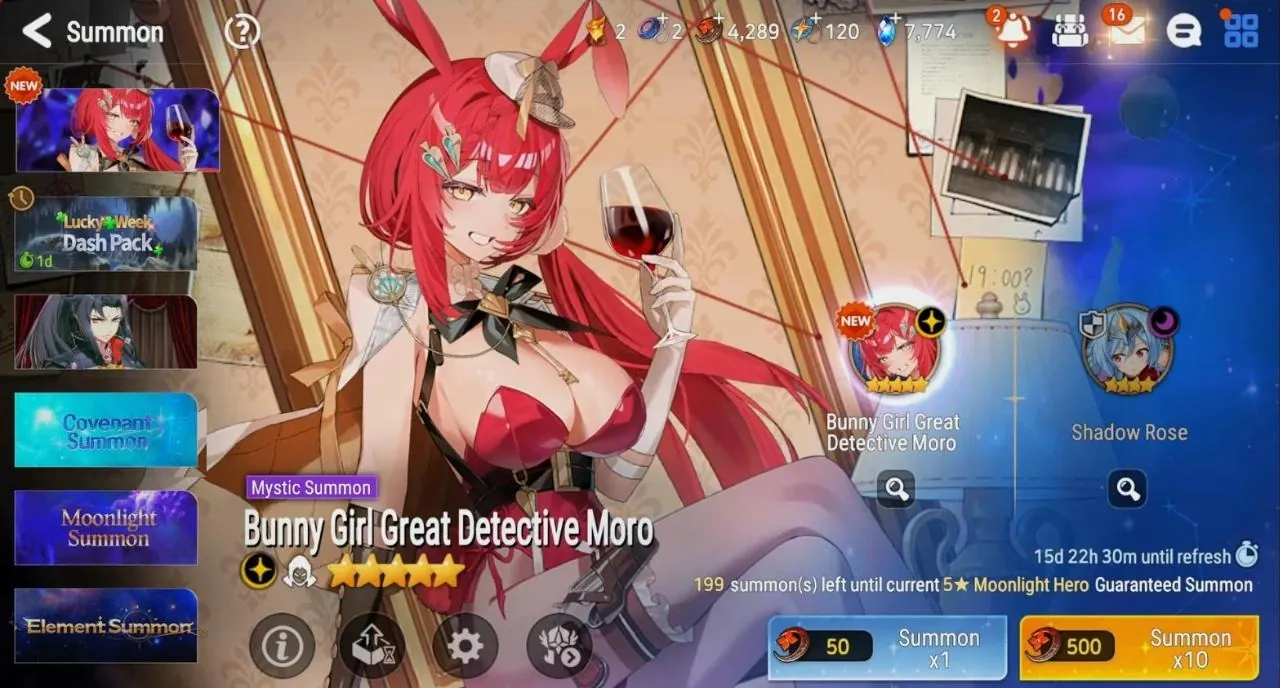
Most of the roster comes from a few summon pools:
- Covenant Summon, the standard banner, uses Covenant Bookmarks and gives 3 to 5-star heroes and artifacts, with a small chance at a Moonlight hero.
- Rate-up and limited banners feature one hero at a time and include a pity that guarantees the featured hero after a set number of pulls.
- Mystic Summon uses Mystic Medals and features a rotating Moonlight 5-star, with its own pity that carries between Mystic banners.
- Moonlight Summon uses Galaxy Bookmarks and gives only Light and Dark heroes.
Because rate-up pity is tied to each banner, saving bookmarks for a hero you actually want usually beats spreading pulls. New players often lock in one strong hero early through a reroll at the start of the account, then build toward pity with free bookmarks from Epic Seven codes and events.
From Roster to Team
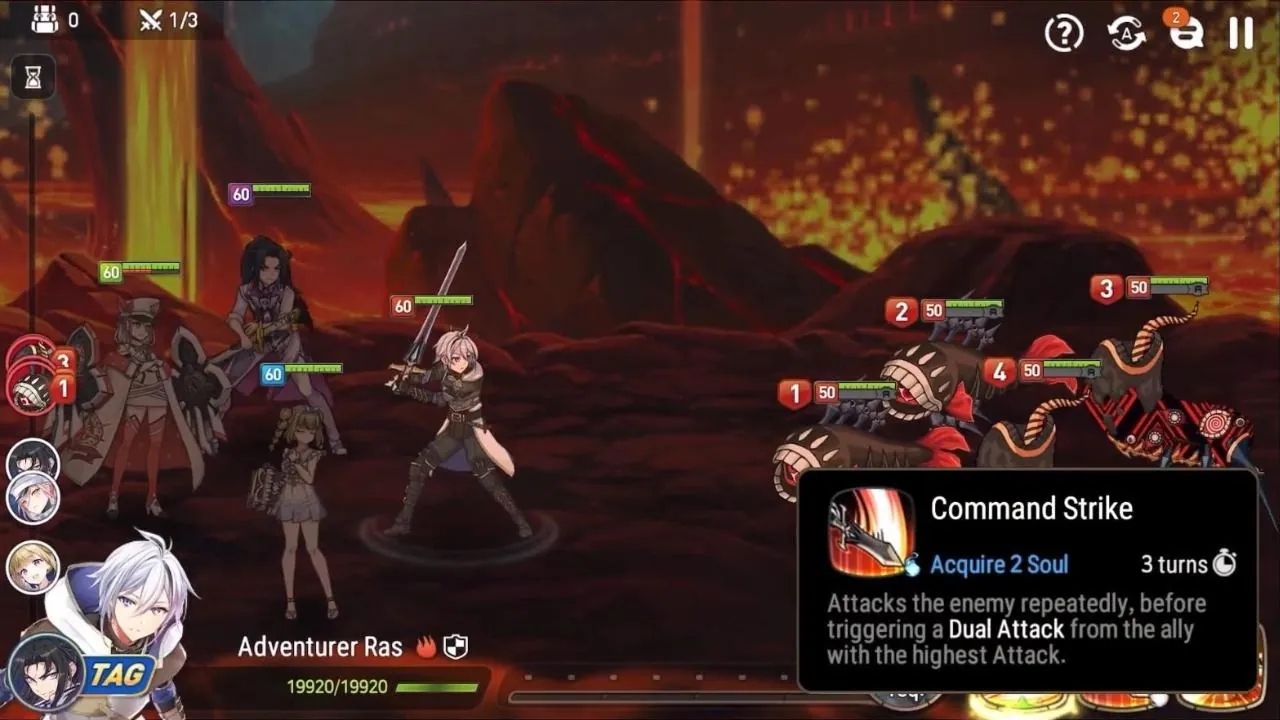
A strong team usually covers several roles at once: a main damage dealer, a support or healer, and a hero who controls the turn order through speed, Combat Readiness pushes or crowd control. Element coverage matters too, since a team with only one element struggles against content that counters it.
Gear decides as much as the hero choice, and a good roster only becomes a strong one once you are farming gear efficiently. When it comes to who deserves that gear first, heroes near the top of the Epic Seven tier list are the safest picks, and guild players will see the same heroes again as defense teams in Foundry Server guild war.
If you would rather start with a strong roster already built, you can browse Epic Seven Accounts, hand dailies and Hunt farming to a verified player through Epic Seven Hourly Services, or climb Arena faster with Epic Seven Boosting.
GameMarket.gg is a trusted digital marketplace for everything gaming-related. We serve the gaming community by providing secure access that enhances every gaming journey.