eFootball Formation Meta in August: What Works Before the Update
By Sir Ayup 6 August 2026, 14:00 WIB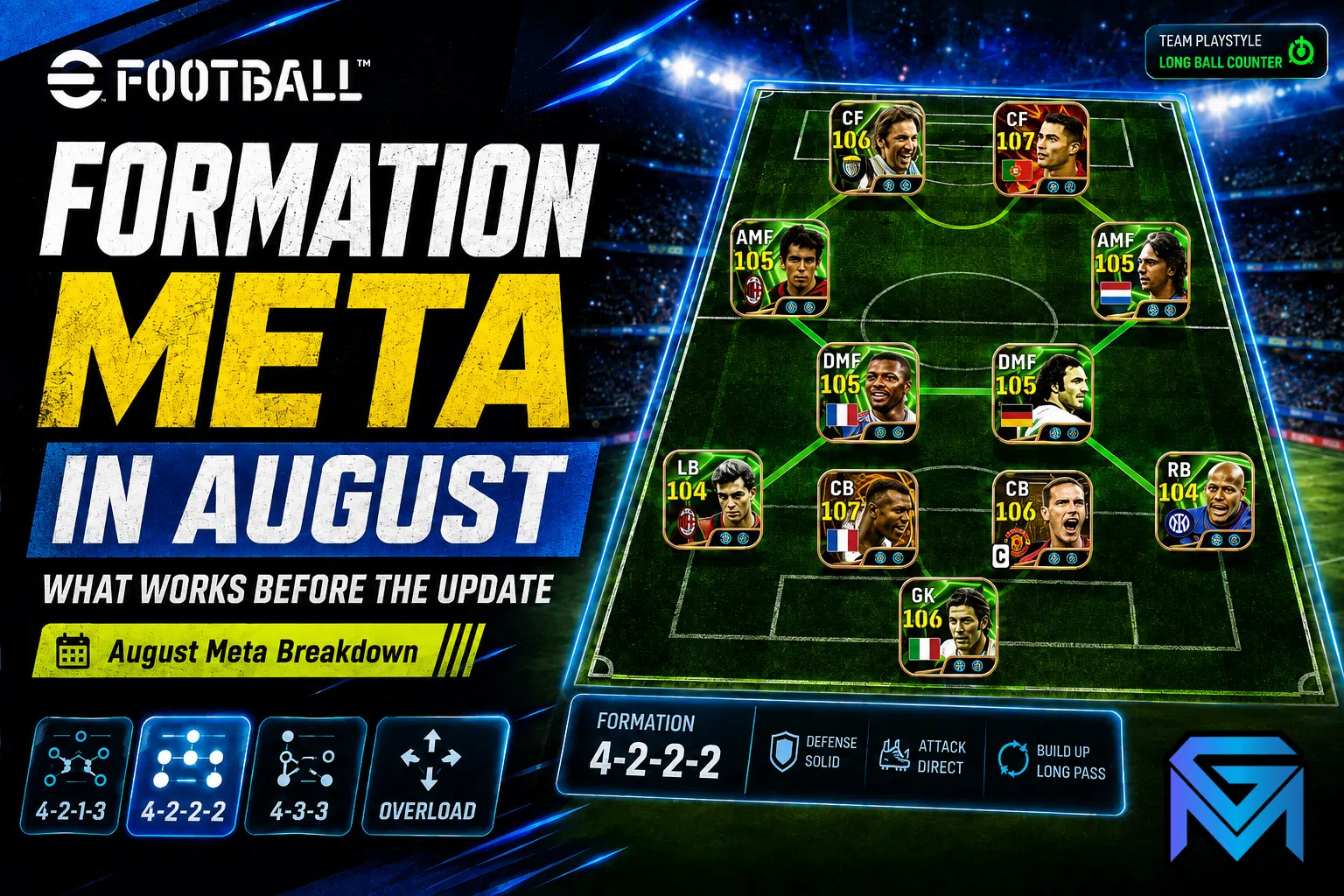
Heading into August, community consensus across high-division play points the same way: 4-2-1-3 sits at the top of the formation meta, with 4-2-2-2 and 4-3-3 close behind, and 4-4-2 Long Ball Counter the most forgiving starting point for anyone still learning. That's the picture as the season winds down. What makes this month unusual is that the Season Update doesn't just rebalance the answer — it changes the question. Fluid Formation lets you run one shape in possession and a different one out of it, which means "which formation should I use" becomes "which pair should I use." Here's what's working now, why formation is rarely the real problem, and what to hold off on until the update lands.
4-2-1-3: the consensus pick
The shape that most high-division players converge on solves the hardest structural problem in eFootball — controlling central space without surrendering width.
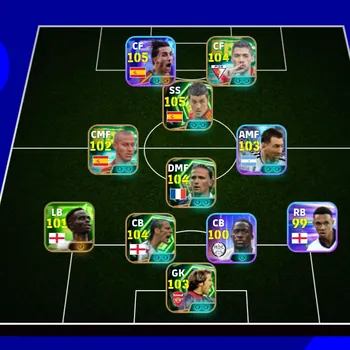
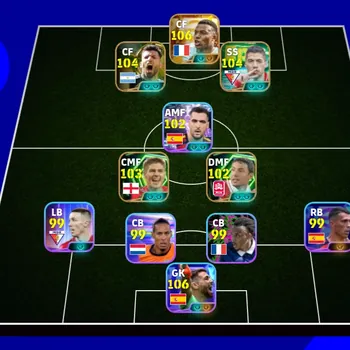
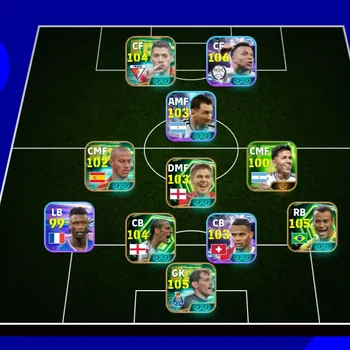
The double pivot closes the channel that most formations leave open through the middle, while the front three preserve attacking width naturally. The attacking midfielder is the pivot point of the whole thing: he links the defensive and attacking phases in one touch, and a Hole Player in that slot adds late runs into the box that stretch defences vertically.
One detail worth knowing: midfielders defend based on where they sit in your game plan, so placing your best ball-winner in the central lane rather than out wide protects the most dangerous passing lane. It's a free adjustment that changes how much you concede through the middle.
The formation also pairs comfortably with both Long Ball Counter and Quick Counter, which means you can adapt your approach without rebuilding the squad around a new shape.
The requirement: a reliable AMF. Without one, the shape loses its connecting piece and you're running a disjointed 4-2-3 with a passenger. If your attacking midfield slot is weak, build around something else and come back to this when you can upgrade it.
4-2-2-2 and 4-3-3
4-2-2-2 is the specialist counter-attacking shape. Two strikers plus two attacking midfielders give you numbers arriving quickly when you win the ball, and it punishes opponents who commit players forward. It asks more of your transitions and less of your build-up.
4-3-3 is reportedly the most commonly used shape at Division 1 level, and it's the possession-oriented option. Three central midfielders give you control of the middle and reliable passing triangles; the wide forwards hold width to stretch defences. Its weakness is the reverse of 4-2-2-2's strength — commit your midfield forward and you're exposed on the counter.
Between the two, the honest way to choose isn't which is stronger. It's whether you'd rather control matches or punish opponents who try to.
4-4-2 Long Ball Counter for newer players
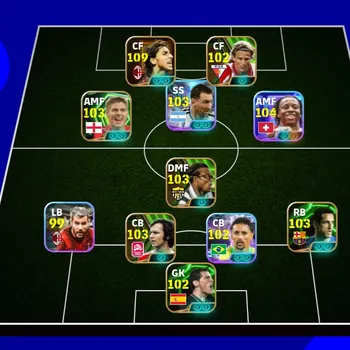
Not the strongest shape, and that's the point. Two banks of four are compact, forgiving, and hard to pull apart — which means your mistakes cost less while you're still learning where players should be.
It also teaches good habits: defend compactly, wait for the right moment, attack quickly. Those habits transfer to every other shape you'll use later. Starting on a demanding meta formation with an unbuilt squad usually teaches the opposite lesson.
Formation is rarely the actual problem
This is worth stating plainly, because it's the most common mistake in ranked play: changing formation after every couple of losses.
Timing, player instructions and manager compatibility affect results more than the shape on your lineup card. A 4-2-1-3 with badly set instructions leaks goals through the middle all match, which feels absurd in a formation with two defensive midfielders — and the instinct is to blame the shape rather than the setup.
Before switching:
- Check your manager's compatibility with the formation. Tactical instructions come from the manager, and a mismatch undermines whatever shape you pick.
- Verify your player instructions at each position, particularly which midfielder occupies the central lane.
- Stay with one shape long enough to learn it. A formation you understand beats a stronger one you don't.
Our formation and tactics guide covers building a coherent system rather than assembling high-rated names — the principle underneath all of the above.
What Fluid Formation changes
The mid-August Season Update introduces separate attacking and defending shapes. Konami's own examples: a full back pushed into an attacking position when you have the ball, and a winger dropped into a defensive position when you don't.
That doesn't make the current rankings wrong. It makes them incomplete. A shape's weakness has always been the cost of its strength — 4-3-3's midfield control comes with counter-attack exposure; 4-2-2-2's transition speed comes with less build-up structure. Fluid Formation lets you pay that cost only in the phase where it matters, which softens the trade-offs that currently separate these formations.
Two consequences to expect:
- Player profiles matter more than shape names. Two-phase players — full backs with the stamina to push and recover, wide attackers who defend — become the constraint on which pairings you can actually run.
- The meta will be unsettled for weeks. When everyone's shape changes twice per match, the counters that currently work need rediscovering. That's a window of opportunity for players who adapt quickly, and a rough time to be grinding a promotion push on autopilot.
Overload, the new Team Playstyle, adds to this by concentrating players near the ball — which favours technically secure passers in tight spaces over shapes built around stretching the pitch.
What to do this week
- Learn one formation properly rather than chasing the ranking. That knowledge transfers to the update; a copied lineup doesn't.
- Don't rebuild your squad now. Fluid Formation changes which profiles fit, and a rebuild days before it lands is work you'll repeat.
- Audit your full backs' stamina — they carry the biggest new workload under two-phase shapes.
- Finish what's expiring. The Campaign Hub closes on 13 August at 01:59 UTC, and its free Epic is the best squad addition available this month. Our July 2026 update breakdown covers the rest of the current cycle, and the Treasure Link free Epic route closes on 10 August.
Build a squad that fits your shape
The formation only works if the players in it suit the roles it demands — and depth is what lets you run two shapes rather than one. Browse verified eFootball accounts if you want a Dream Team built around a coherent system, keep progression and deadlines on track with eFootball hourly services, or hold your division position through eFootball boosting while the meta resets.
GameMarket.gg is a trusted digital marketplace for everything gaming-related. We serve the gaming community by providing secure access that enhances every gaming journey.