

Everything in The Finals Prime Time: Season 12’s Infiltrator, Maps & Balance Changes
By Rivan WiThe Finals is kicking off Season 12, Prime Time, on October 20, 2026, and it is one of the game's biggest shake-ups yet. This GameMarket.gg breakdown covers everything the new season adds, from a brand-new stealth-focused Infiltrator playstyle to a major destruction overhaul, reworked maps, and a fully customizable HUD. Developer Embark Studios is leaning into the chaos and spectacle the free-to-play shooter is known for, and this update touches almost every part of the game. Here is the full rundown of what Prime Time brings and why it is worth jumping back into the arena for.
The season at a glance
Here are the key points before the full breakdown:
- Release date: October 20, 2026, free on PC, PS5, and Xbox Series X|S.
- New playstyle: the Infiltrator, a stealth-focused build for the Light class.
- Destruction overhaul: structures now partially break apart, with stronger chain reactions.
- Reworked maps: Monaco, Seoul, and Skyway Stadium get full visual and layout revamps.
- Customizable HUD: scalable UI, ultrawide support, and a mid-match Quick Settings tab.
- Balance changes: Light health up to 175, Heavy health down to 325.
- New mode: Solo Showdown, a 12-player solo tournament played across three randomized rounds.
The Infiltrator, a new way to play Light
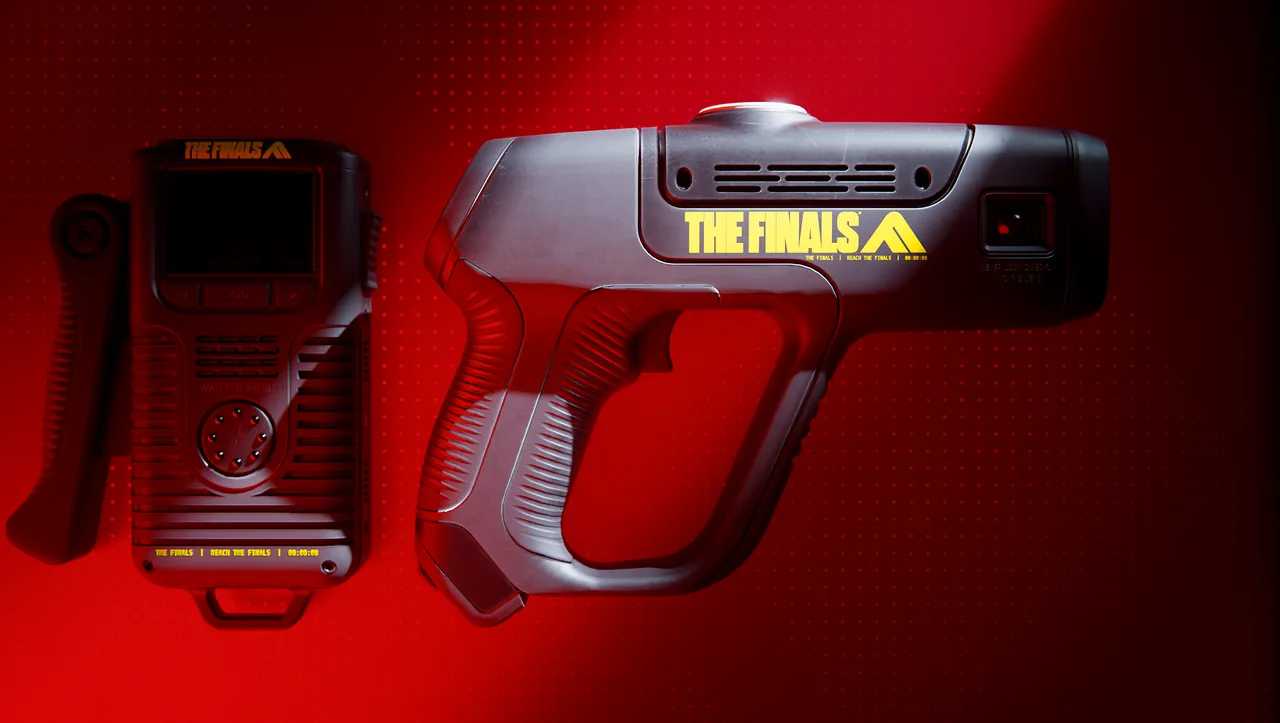
The headline addition is the Infiltrator, and it is a fresh take on the game's nimblest class. Rather than a brand-new class, it is the Light class's fourth playstyle, built around spotting enemies, disguising yourself, and swapping positions to outmaneuver opponents. It gives sneaky players a proper toolkit for deception rather than just raw speed.
The playstyle comes with three standout tools:
- True Sight (Specialization): a reworked Thermal Vision that highlights enemies and deployables, reveals disguised or cloaked players, and lets you see through smoke, draining an energy meter while active.
- Mimic Device (Gadget): scans an arena prop so you can disguise yourself as it, with some disguises keeping the prop's function, like a healing barrel that triggers when you take damage.
- Translocator (Gadget): marks an object and instantly swaps your position with it when you are in range.
Together these create a genuinely different way to play. The Mimic Device turns you into a hidden object in plain sight, the Translocator lets you escape or reposition in an instant, and True Sight counters other sneaky players by exposing anyone trying the same tricks. It is a cat-and-mouse layer that rewards cleverness over pure aim, which is exactly the kind of variety a hero-style shooter thrives on.
What makes the Infiltrator especially interesting is how it feeds a counter-play loop rather than simply handing Light players a free advantage. Because True Sight exists specifically to reveal disguised and cloaked opponents, the same kit that lets you hide as a prop also gives your enemies the tool to catch you doing it, so a smart lobby turns into a layered guessing game of who is real, who is a Mimic, and who is quietly watching through a thermal sweep. That self-balancing design is important for a competitive shooter, since a pure stealth playstyle with no built-in answer would quickly frustrate everyone on the receiving end. Here, deception and detection arrive in the same package, which should keep the Infiltrator fun to play against as well as fun to play.
The destruction overhaul
The Finals has always been built on destructible arenas, and Prime Time takes that core feature to another level. The biggest change is that structures can now partially break apart instead of being either fully intact or fully destroyed. Floors can sag into the rooms below, and collapsed debris becomes traversable ground, so the battlefield reshapes itself far more dynamically mid-fight.
The chaos compounds, too. Prime Time makes chain reactions stronger, so a single collapse or blast can trigger another, turning one well-placed explosive into a cascade that reshapes an entire building. To keep it fair, the update adds visual and audio cues like dust and creaking that warn you when a structure is about to give way, so collapses feel readable rather than random.
Smoke and gas get smarter as well. Both smoke and poison gas now adapt to the changing geometry, no longer damage players through walls, and can be briefly cleared by explosions. That fixes some long-standing frustrations and makes the environmental chaos feel more deliberate, rewarding players who read the arena rather than getting cheaply punished by it.
Tactically, these changes raise the ceiling on how teams can use the environment as a weapon. Partial destruction means a Heavy can now shave open a specific firing lane or drop a single floor section onto a defended objective rather than simply flattening a whole building, which turns demolition into a precision tool instead of a blunt instrument. Collapsible floors that leave traversable debris also reward vertical thinking, since a well-timed collapse can create a brand-new route to a cashout or cut off an escape your opponents were counting on. Combined with the readability cues, the overhaul pushes The Finals further toward what has always set it apart from other shooters: the map itself is a contestant in the match, and Prime Time gives skilled teams far more control over how it bends to their plan.
Reworked maps and a customizable HUD
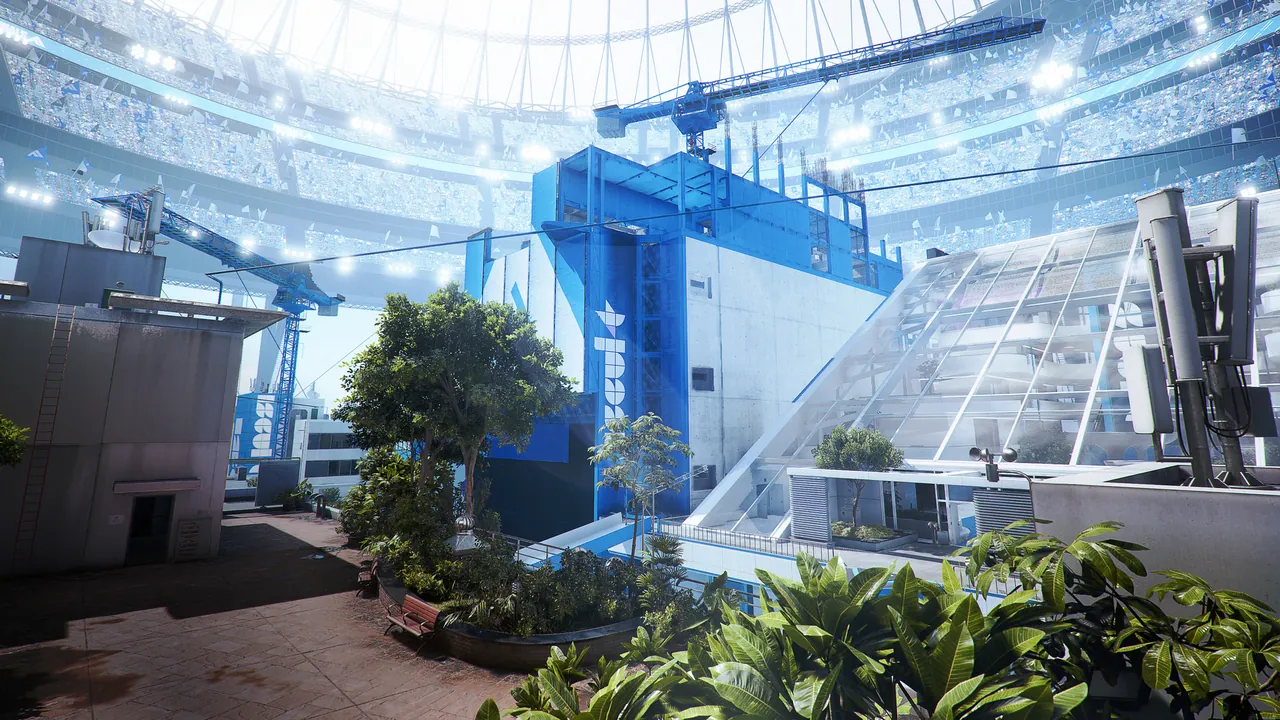
Prime Time does not add a brand-new arena, but it gives three existing ones a serious glow-up. Monaco, Seoul, and Skyway Stadium are reworked with new lighting, materials, level design, sightlines, and traversal routes, and each map gets its own sponsor, colors, and identity. Embark has said other maps will be addressed in later seasons, so this is the start of a broader refresh.
On the quality-of-life side, the season rebuilds the HUD and menus with customization in mind. The key improvements are:
- Scalable HUD with clearer text and proper ultrawide monitor support.
- A new side panel showing key information and actions during matches.
- A customizable Quick Settings tab to adjust volume, graphics, and sensitivity mid-match, with you choosing which options appear.
- A reorganized main menu built around the most-used actions, with improved navigation on PC and console.
These changes may sound minor next to a new playstyle, but a cleaner, more flexible interface is exactly the kind of upgrade that makes a live game feel better to play every single session. Letting players tailor the HUD to their setup, especially on ultrawide, is a long-requested improvement.
Solo Showdown, a mode built for solo players

The biggest addition outside the Infiltrator is Solo Showdown, a brand-new mode that finally drops The Finals' usual team focus. It is a 12-player solo tournament played across three rounds, where it is every contestant for themselves rather than a squad effort. That alone makes it a major departure for a game built around three-person teamwork, and it gives lone-wolf players a proper competitive outlet of their own.
The format is where it gets interesting, since the rounds keep you on your toes:
- Three rounds: each round is randomly drawn from a pool of eight different mini-modes, so no two tournaments play out the same way.
- Round length: each round runs roughly five minutes.
- Scoring: players earn cash during each round, and the four lowest earners are eliminated between rounds.
- The final: the last round decides the champion from the survivors.
The mini-modes are the real hook, turning Solo Showdown into a gauntlet of wildly different challenges. Returning favorites Heavy Hitters and Blast Off! are in the pool, joined by new ones like Winch Wars, which hands out an extended Winch Claw and a stronger kick for flinging rivals off the map, Speed Tunnel, a deathmatch set in a tunnel that cranks up your movement speed, and Slam-A-Rama, built around Jump Pads and a reusable Charge 'N' Slam for instant knockouts. Embark has previewed these but has not published the full list of all eight mini-modes or their detailed rules yet, and it has noted that the mini-mode mechanics are mode-specific rather than global balance changes, so expect the finer points to firm up around launch.
What makes Solo Showdown so appealing is how it reframes the whole game for a different kind of player. Because you cannot lean on teammates, the mode becomes a pure test of individual skill, rewarding mechanical ability, adaptability, and smart use of the environment over squad coordination. The randomized mini-modes keep each run unpredictable and stop any single strategy from dominating, which should make it a lively, high-variety way to play. For anyone who has wanted to prove themselves one-on-one in The Finals' chaotic arenas, this is the mode Prime Time delivers.
Balance changes, what's next, and should you jump in
Season 12 also shakes up the meta with confirmed balance changes. Following a community Respec Order vote, Light health rises from 150 to 175 with slightly slower movement, while Heavy health drops from 350 to 325 with slightly faster movement. The goal is to narrow the gap between the classes, and since over half of voting players backed making the changes permanent, Embark is rolling them in for Prime Time alongside weapon tweaks.
There is more on the way beyond that, too. The game's Sponsor system and reward tracks are being replaced with a new Sponsor journey, and match presentation is being reworked with new contestant, team, and arena introductions to lean further into the game-show spectacle. Together with Solo Showdown, these changes round out a season that touches modes, progression, and presentation on top of the headline playstyle and destruction work.
For anyone who has never tried it, The Finals is a free-to-play, team-based first-person shooter built around a game-show premise: squads compete to grab cash from vaults and bank it at cashout stations while rivals try to steal it mid-deposit, all inside arenas you can tear apart. Its destructible environments and class-based trio of Light, Medium, and Heavy builds are what set it apart from more traditional shooters, and Prime Time doubles down on exactly those identity features. That makes a big seasonal launch an unusually good moment to start, since you are jumping in alongside returning players rather than into an established meta you have missed months of.
So should you jump back in? If you already play The Finals, Prime Time is an easy return, since it is free, it adds a genuinely new way to play, and the destruction and map reworks freshen up the core experience. If you have been away or are curious for the first time, a big season launch on a level playing field is a great on-ramp, especially with the balance changes resetting the meta. The smart move is to log in on October 20, try the Infiltrator, and see how the new destruction changes the way every fight plays out.
If you want to make the most of the new season, you can explore trusted The Finals accounts to start with progress already made, save time leveling and unlocking cosmetics with reliable The Finals hourly services, or climb the ranks faster with dependable The Finals boosting.
GameMarket.gg is a trusted digital marketplace for everything gaming-related. We serve the gaming community by providing secure access that enhances every gaming journey.