Path of Exile 2: The Druid and Shapeshifting Era
By GameMarket Team 23 December 2025, 16:16 WIB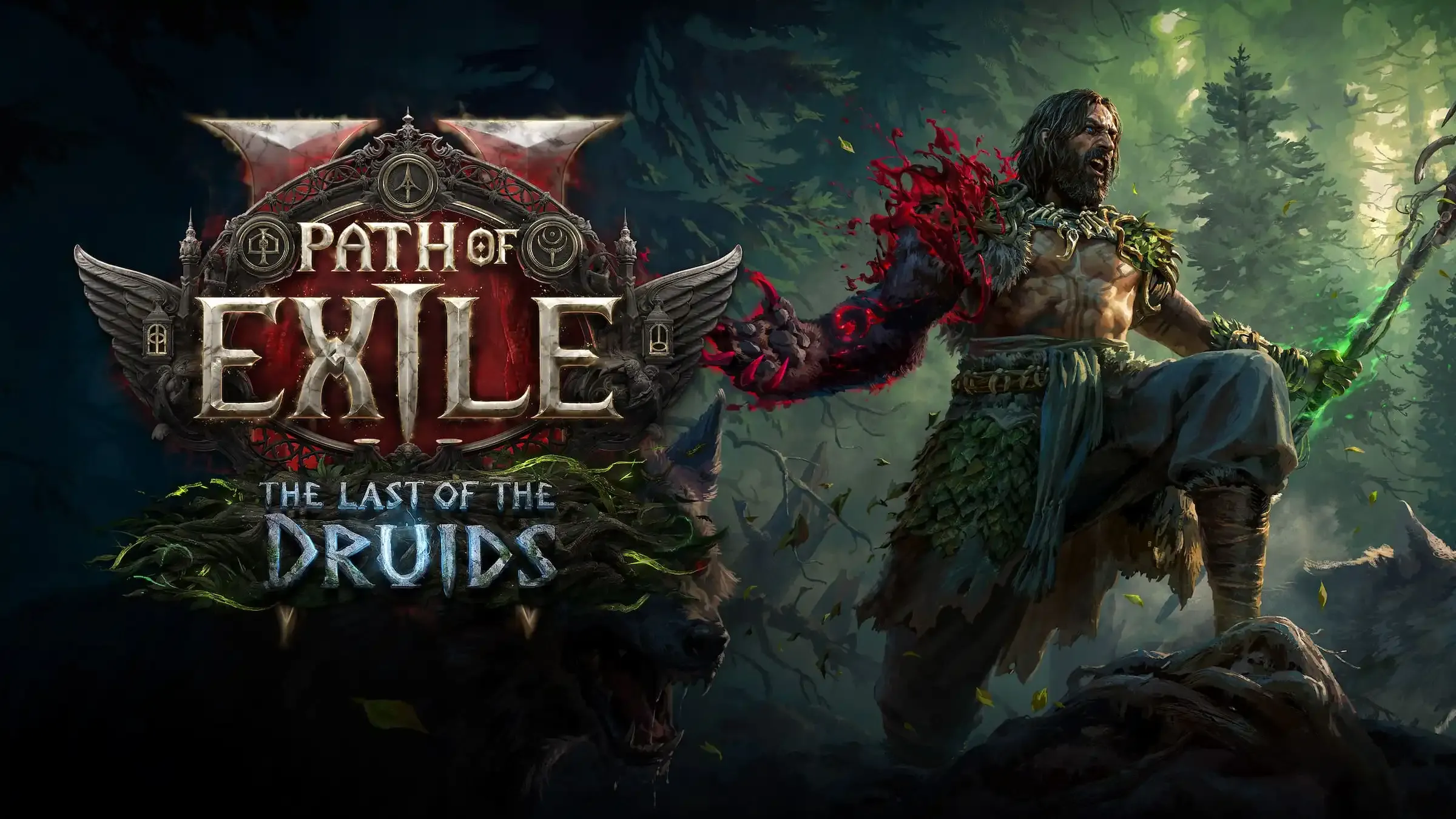
🌿 Path of Exile 2 Introduces the Druid in “The Last of the Druids” Update
Path of Exile 2 takes a major step forward with “The Last of the Druids”, an update that introduces the long-awaited Druid class and fundamentally expands how combat, builds, and class identity function in the ARPG.
This is more than a new character option. The Druid represents a shift toward fluid combat identities, where players adapt in real time rather than locking into a single role. With shapeshifting at its core, the Druid blurs the line between caster, melee fighter, and ranged combatant — often within the same encounter.
🐺 The Druid Class — One Character, Multiple Combat Identities
The Druid is built around the idea that combat roles should be situational, not permanent. Instead of choosing a single playstyle and repeating it endlessly, Druids change how they fight based on positioning, enemy behavior, and battlefield pressure.
🔄 Shapeshifting as a Combat System
Each Druid form represents a functional role, not a cosmetic transformation:
-
Human Form — Setup & Control
Focuses on elemental spellcasting, debuffs, and battlefield preparation. This is where Druids establish pressure and set up damage zones. -
Bear Form — Impact & Control
Heavy melee combat, high durability, and crowd control dominate this form. Ideal for elite packs, chokepoints, and brute-force engagements. -
Wolf Form — Speed & Execution
Emphasizes mobility, precision, and rapid strikes. Wolf Form excels at chasing targets, dodging mechanics, and finishing weakened enemies. -
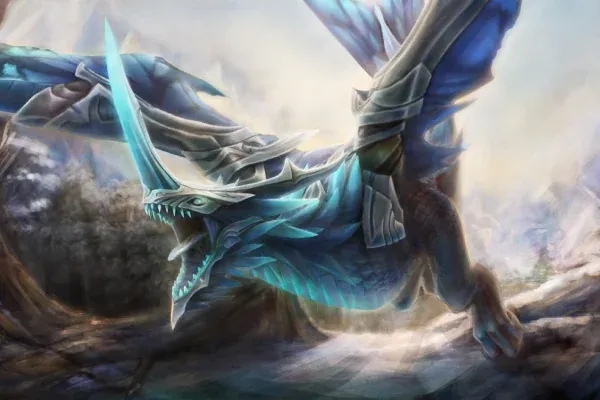
Wyvern Form — Reach & Pressure
Offers ranged elemental damage and area control, allowing Druids to influence fights from safer distances while maintaining damage uptime.
Crucially, effects persist across forms. A storm conjured in Human Form continues to rage while you maul enemies as a Bear or dart through them as a Wolf, creating seamless transitions instead of reset-heavy rotations.
⚔️ Why Druid Combat Feels Different
The Druid breaks away from traditional ARPG rotations:
-
You react to enemies instead of repeating a fixed combo
-
You change roles mid-fight without downtime
-
You’re rewarded for awareness, timing, and momentum
Combat becomes about flow, not memorization.
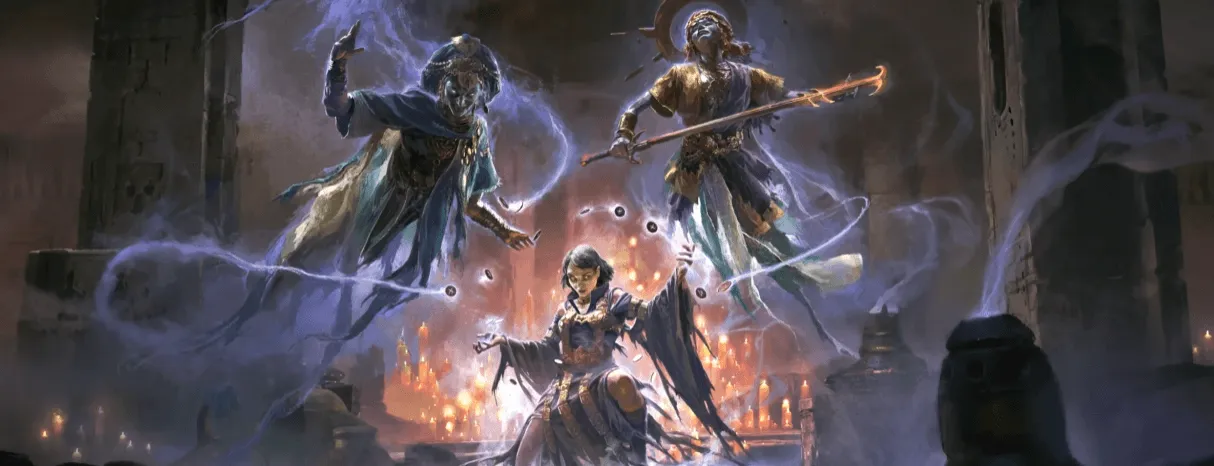
🧬 Ascendancies — Shaman or Oracle
While shapeshifting defines how Druids fight, Ascendancies define what kind of Druid you become. The choice between Shaman and Oracle shapes progression, bonuses, and decision-making philosophy.
🌩️ Shaman — Elemental Fury and Momentum
The Shaman Ascendancy is built for aggressive players who thrive on constant engagement.
Core Identity
-
High-tempo hybrid combat
-
Strong synergy between elemental spells and melee
-
Rewards relentless pressure and frequent form switching
Shamans grow stronger the longer they stay active in combat. Momentum matters — disengaging too often breaks the damage flow, while aggressive play amplifies power.
Excels At
-
Speed clearing maps
-
Overwhelming dense enemy packs
-
Sustained pressure against bosses
Shaman Druids feel best when they’re always pushing forward, chaining transformations and attacks without hesitation.
🔮 Oracle — Foresight, Control, and Precision
The Oracle Ascendancy favors players who enjoy planning, timing, and control.
Core Identity
-
Tactical hybrid gameplay
-
Conditional buffs and delayed power spikes
-
Heavy emphasis on positioning and timing
Oracle Druids engineer victories rather than forcing them. Bonuses trigger based on setup, enemy states, and correct form choice at the right moment.
Excels At
-
Mechanically complex boss fights
-
Endgame encounters requiring precision
-
Defensive, utility-focused, or reactive builds
Oracle gameplay rewards patience and mastery over raw aggression.
⚖️ Shaman vs Oracle — Choosing Your Path
Preference Best Fit Fast, aggressive play Shaman Tactical, reactive combat Oracle Speed mapping Shaman Boss precision Oracle Momentum-based damage Shaman Controlled execution Oracle
Both Ascendancies support all Druid forms — the difference lies in how they reward decisions.
🌀 New League & Endgame Expansion
“The Last of the Druids” update also introduces a new league and expanded endgame systems designed to complement the Druid’s flexibility. These additions focus on:
-
Encouraging build experimentation
-
Supporting hybrid playstyles
-
Expanding late-game challenges and progression depth
Together, they reinforce Path of Exile 2’s direction toward deeper systems that reward adaptability rather than rigid optimization.
🧠 Why This Update Matters
The Druid signals a clear design philosophy shift:
-
Class identity is no longer static
-
Builds evolve during combat, not just in menus
-
Skill expression comes from decision-making, not only gear
For veterans, the Druid opens entirely new theory-crafting territory.
For new players, it offers flexibility without punishing experimentation.
Players looking to dive into Path of Exile 2’s newest update can browse verified Accounts to get started quickly, book professional Hourly Services for build planning and optimization, or use trusted Boosting services to tackle league and endgame challenges efficiently.
GameMarket.gg helps Exiles stay competitive as Path of Exile 2 continues to evolve.